
Korigad Fort Trek: My Journey from Pune for Just ₹170
After completing my Visapur and Lohagad Fort treks, I was still searching for another fort near Pune that I could explore without spending too much money. That’s when I discovered Korigad Fort, a beautiful hill fort near Lonavala and Aamby Valley City in Maharashtra.
But this trek was a little different from my previous adventures.
Usually, I travel solo. This time, one of my best friends from the company decided to join me. We travelled from Pune to Lonavala by local train, took a bus to Peth Shahapur village, and completed the Korigad Fort trek together.
The entire trip was budget-friendly, and our recorded shared expenses worked out to approximately ₹170 per person, excluding some local travel expenses.
In this blog, I’ll share my complete Korigad Fort trekking experience, including how I reached the fort using public transport, the trekking route, difficulty level, history, entry fees, parking facilities, nearby attractions, and the mistakes you should avoid.
If you’re planning a Korigad Fort trek from Pune or Mumbai, this guide will help you plan your trip.
Korigad Fort: Quick Information
| Details | Information |
| Fort name | Korigad Fort (Koraigad / Kumwarigad) |
| Location | Near Aamby Valley City, Peth Shahapur |
| District | Pune, Maharashtra |
| Taluka | Mulshi |
| Mountain range | Sahyadri, Western Ghats |
| Height | Approximately 929 metres (3,048 feet) above sea level |
| Base village | Peth Shahapur |
| Trek difficulty | Easy, beginner-friendly in suitable weather |
| Trek duration | Approximately 1–1.5 hours to ascend |
| Trek distance | Approximately 1–2 km one way, depending on starting point |
| Distance from Lonavala | Approximately 20–25 km |
| Entry fee | Free during my visit |
| Suggested visiting time | Daylight hours, preferably early morning |
| Best season | Monsoon and winter |
| Major attractions | Fort walls, Koraidevi Temple, lakes, cannons and valley viewpoints |
Note: The elevation varies slightly between travel references. Distances, entry rules, local transport and visiting conditions may also change.
My Personal Korigad Fort Trek Experience
How I Discovered Korigad Fort After Visapur and Lohagad?
After successfully completing my Visapur Fort trek and Lohagad Fort trek, I was becoming more interested in exploring historical forts around Pune.
Both treks gave me the confidence to travel independently and explore unfamiliar places.
But I had one important condition while searching for my next destination.
The fort should be reachable using public transportation because I wanted to keep my travel budget low.
So, as usual, I opened Chrome and started searching for trekking destinations near Pune and Lonavala.
After checking different places, I came across Korigad Fort.
I researched its location, nearby railway stations, trekking route and transportation options. The fort looked suitable for a one-day trip, and the trekking difficulty also seemed manageable.
I finally decided that Korigad would be my next destination.
This Time, My Friend Wanted to Join
Before this trip, some of my office colleagues had already seen my previous trekking photos and travel updates on social media.
A few of them used to tell me, “Next time, I’ll also come with you.”
So when I started planning Korigad Fort, I explained the trip details to my colleagues.
Luckily, one of my best friends from the company was interested and agreed to join me.
This was exciting because most of my previous trips had been solo adventures.
Travelling alone has its own freedom, but travelling with a good friend gives you a completely different experience.
We decided to visit Korigad Fort on Sunday because it was our weekly holiday.
Our starting point was Wagholi, Pune.
Sunday Morning: Starting Our Journey from Wagholi
On Sunday morning, we woke up early, got ready and left our hostel.
We had to reach Pune Railway Station first because our plan was to travel to Lonavala by train.
My friend had borrowed a two-wheeler from one of his friends.
We used that bike to travel from Wagholi to Pune Railway Station.
However, we were not planning to complete the entire journey to Korigad Fort on the bike.
Our main transportation was still the local train and public bus.
We reached Pune Railway Station at approximately 6:00 AM and parked the bike in the railway station parking area.
The parking charges were calculated on an hourly basis. Unfortunately, I don’t remember the exact amount we paid for the whole day.
If you’re planning a similar trip, remember to include railway station parking charges in your overall budget.
Pune to Lonavala by Local Train: Just ₹15 Per Person
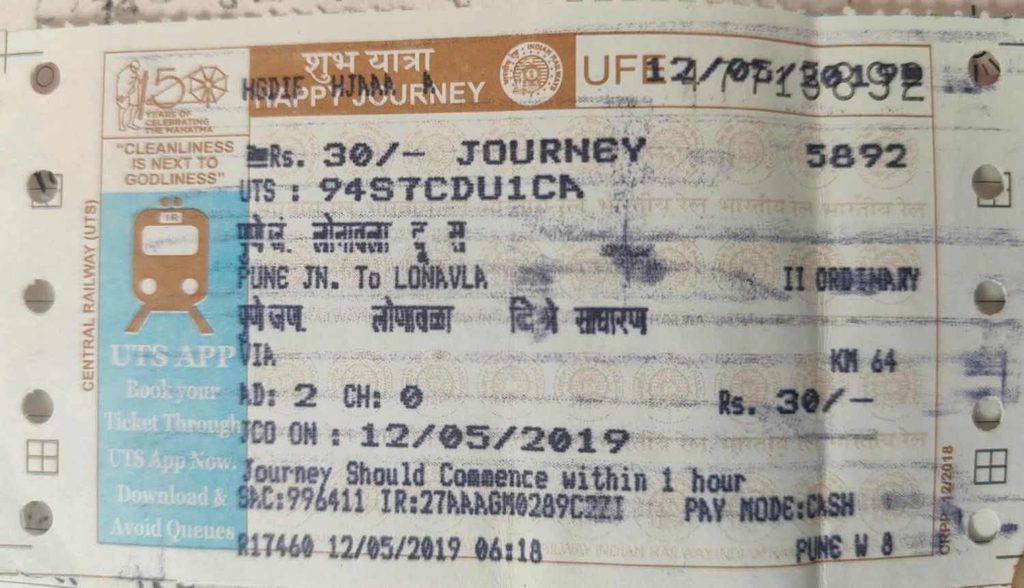
After parking the bike, we went to the ticket counter and purchased two tickets to Lonavala Railway Station.
The total ticket cost was ₹30 for both of us.
That means the one-way ticket cost was only ₹15 per person during our trip.
We boarded the train, found seats and started our journey towards Lonavala.
One thing I noticed during this trip was how different travelling with a friend feels compared to solo travel.
Throughout the train journey, we talked about random things happening in our lives.
Office work, personal matters, previous experiences and all kinds of random conversations.
We didn’t even realise how quickly time was passing.
After approximately two hours, we finally reached Lonavala Railway Station.
And from here, the next part of our journey began.
Lonavala Railway Station to Bus Stand: Breakfast First!
After arriving at Lonavala Railway Station, our next task was to reach Lonavala Bus Stand.
The bus stand was approximately 550 metres away from the railway station.
Instead of spending money on an auto, we decided to walk.
It was a short and easy walk.
Once we reached the bus stand, we decided to have breakfast before continuing our journey.
And when you’re in Maharashtra, how can you forget Vada Pav?
We ordered two Vada Pavs, which cost us ₹30 in total.
We also had tea, for which we spent ₹10.
Our breakfast was simple, affordable and enough to continue the journey.
After breakfast, we started enquiring about buses heading towards Korigad Fort.
Lonavala to Peth Shahapur by Bus: ₹30 Per Person
We approached a local person at Lonavala Bus Stand and asked him how to reach Korigad Fort.
He directed us towards a bus and told us to get down at Peth Shahapur.
We quickly boarded the bus and found seats.
The ticket cost was ₹60 for two people, which means ₹30 per person.
The ticket was issued for the Ambavane route, but we got down at Peth Shahapur, the village used to approach Korigad Fort.
The distance from Lonavala to Peth Shahapur is approximately 20–25 kilometres, depending on the route.
Our bus journey took nearly one hour.
Finally, at around 9:00 AM, we reached Peth Shahapur.
One important thing I want to mention is that local bus services in this region can be limited.
Just because we found a convenient bus during our trip doesn’t mean the same connection will always be available.
Before planning your trek, enquire at Lonavala Bus Stand about the latest services and return transportation.
Reaching Peth Shahapur: Finding the Korigad Fort Trek Route
After getting down at Peth Shahapur, we started looking for the trekking route.
Even though I had researched the location before starting the journey, I still wanted to confirm the correct path.
We asked a local person where the Korigad Fort trekking route started.
He showed us the direction.
We followed his instructions and walked towards the base of the fort.
After walking a short distance, we reached the trekking trail.
Finally, our actual Korigad Fort trek began!
One thing I immediately liked about this fort was the straightforward route.
During my Visapur Fort trek, finding the correct trekking path had been one of the biggest challenges, especially while travelling solo.
But at Korigad Fort, the trail was much easier to understand.
If you’re a beginner, this is one of the reasons I recommend considering Korigad Fort for your first trekking experience, provided the weather and trail conditions are suitable.
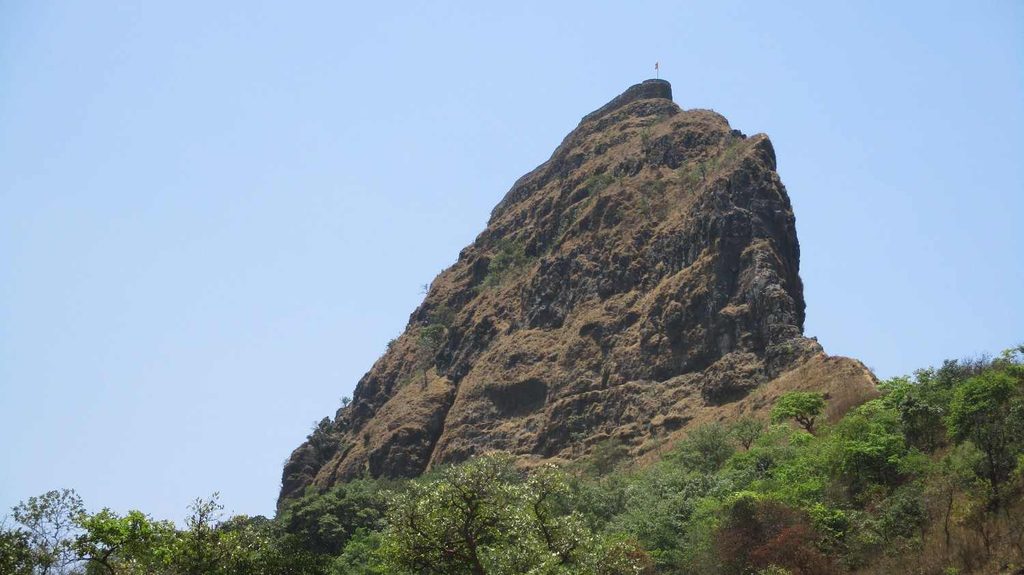
The Korigad Fort Trek: Easy for Me, Tiring for My Friend
We started climbing slowly from the base.
The initial route was manageable, and the trail gradually led us towards the stone steps that take trekkers to the main fort entrance.
By this time, I had already completed treks such as Visapur and Lohagad.
Because of those experiences, my fitness and confidence had improved.
I had a better understanding of how to maintain my pace while climbing a fort.
So naturally, I started walking a little faster.
But my friend was struggling to keep up.
He was not used to trekking like I was.
Sometimes, I would move ahead, and he would slowly follow behind me.
I realised that a trail which feels easy to one person might be tiring for somebody doing it for the first time.
So we continued at a manageable pace.
After approximately 1 hour and 30 minutes of trekking, we finally reached the top of Korigad Fort.
My friend was completely exhausted.
Before exploring anything, we decided to sit down and take some rest.
For me, the trek was manageable. For him, reaching the summit was already a big achievement.
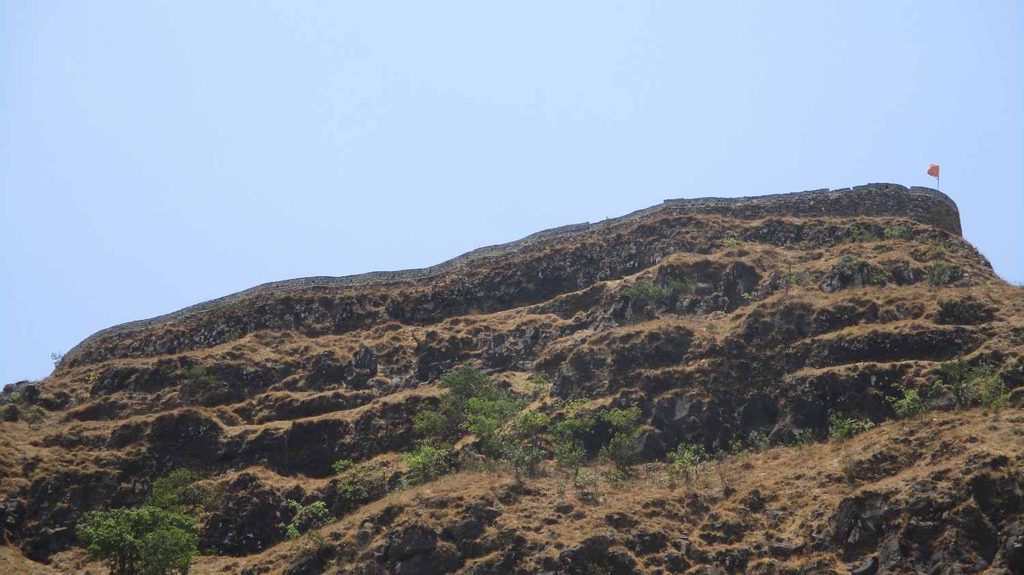
Is Korigad Fort Trek Difficult?
Based on my personal experience, the Korigad Fort trek is easier than many other historical fort treks around Pune.
The route from Peth Shahapur is relatively straightforward, and there are stone steps along much of the upper section.
You don’t need advanced trekking skills for a normal-weather ascent.
However, an easy trek doesn’t mean that everybody will complete it without getting tired.
Your fitness, walking speed, experience and weather conditions make a difference.
My friend was exhausted after the ascent, while I felt comfortable because of my previous trekking experience.
For beginners, I recommend allowing 1.5–2 hours for the climb, including breaks, rather than rushing to the summit.
Reaching the Top: The Real Beauty of Korigad Fort
Once we had rested, we started exploring the upper areas of the fort.
And this was my favourite part of the whole journey.
The views from the top were absolutely worth the climb.
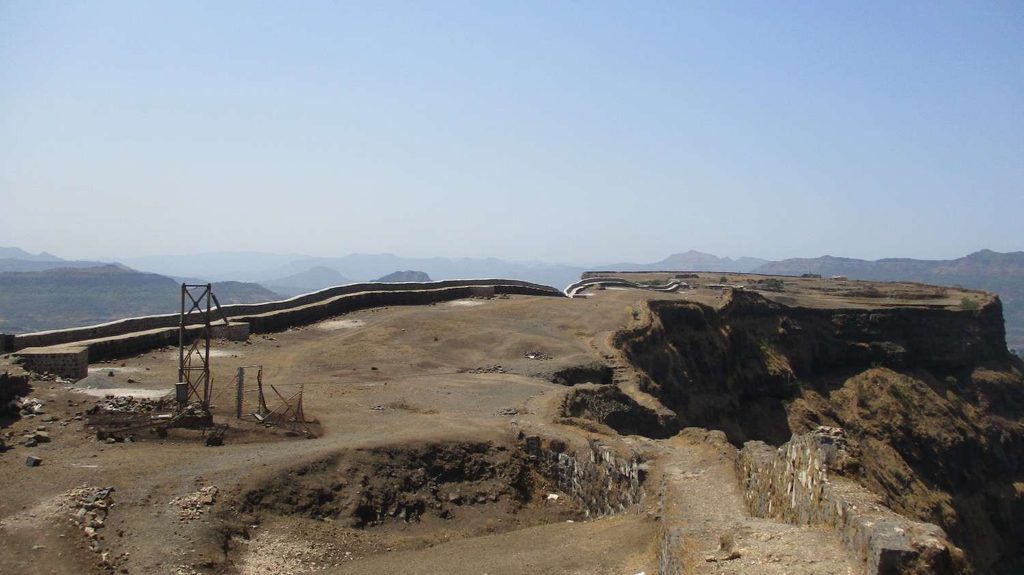
From the fort, we could enjoy the surrounding mountains, valleys and beautiful landscape near Aamby Valley.
The open plateau gave us plenty of space to walk around and enjoy different viewpoints.
After reaching the summit, you can understand why people travel all the way to these historical forts.
It’s not only about trekking.
It’s about reaching a place where you can forget your regular routine for a few hours and enjoy the surroundings.
We explored the upper areas, walked around the fort and spent time enjoying the views.
We also clicked lots of photos and recorded videos.
As someone who loves travel photography and creating social media content, I couldn’t leave without capturing the beautiful scenery.
My friend and I took individual photographs, pictures together and videos that we could later use for Instagram Reels and other social media platforms.
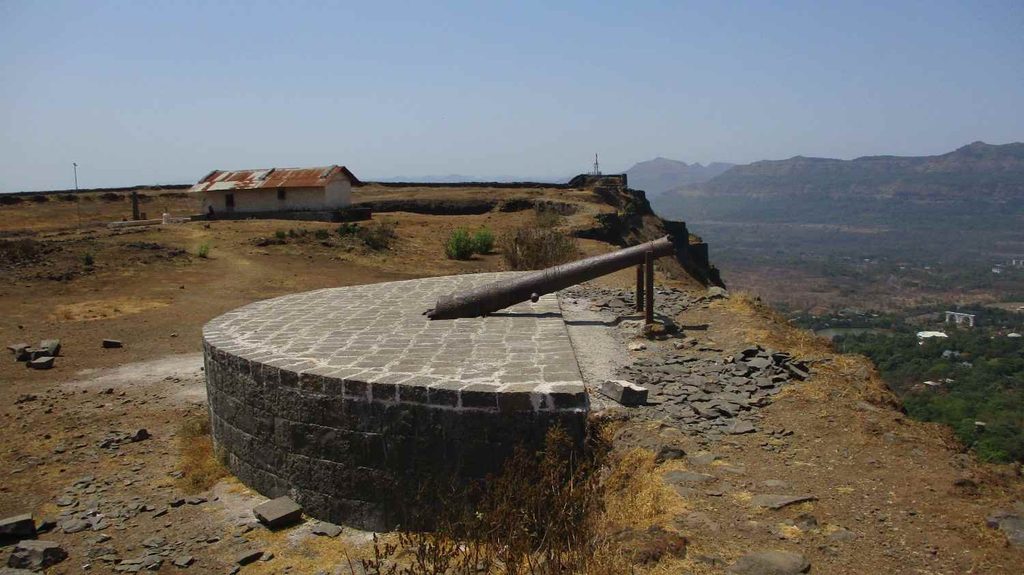
Korigad Fort Photos: My Favourite Views from the Summit
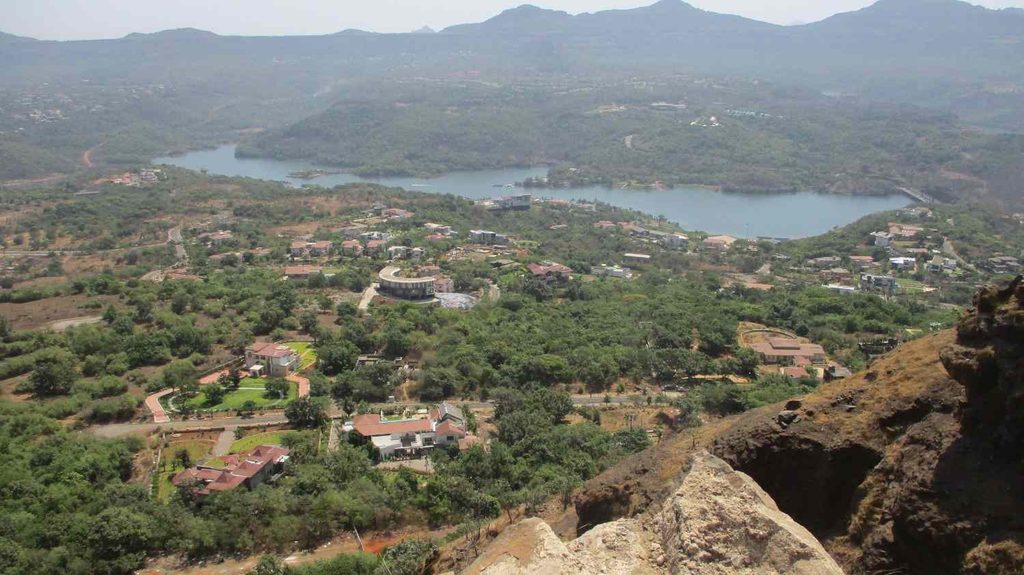
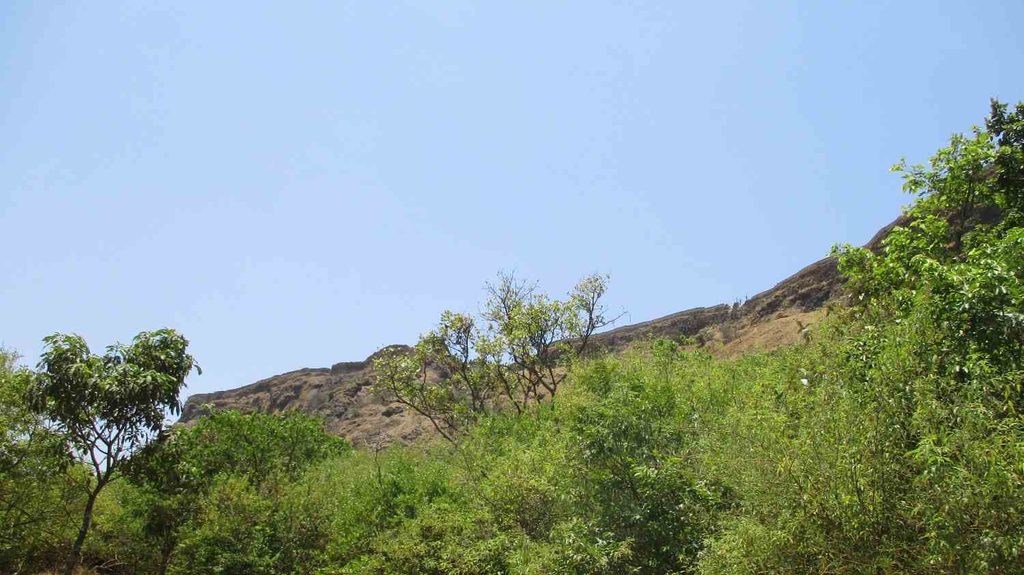
Photo caption: The beautiful landscape surrounding Korigad Fort, captured during my trek with my friend.
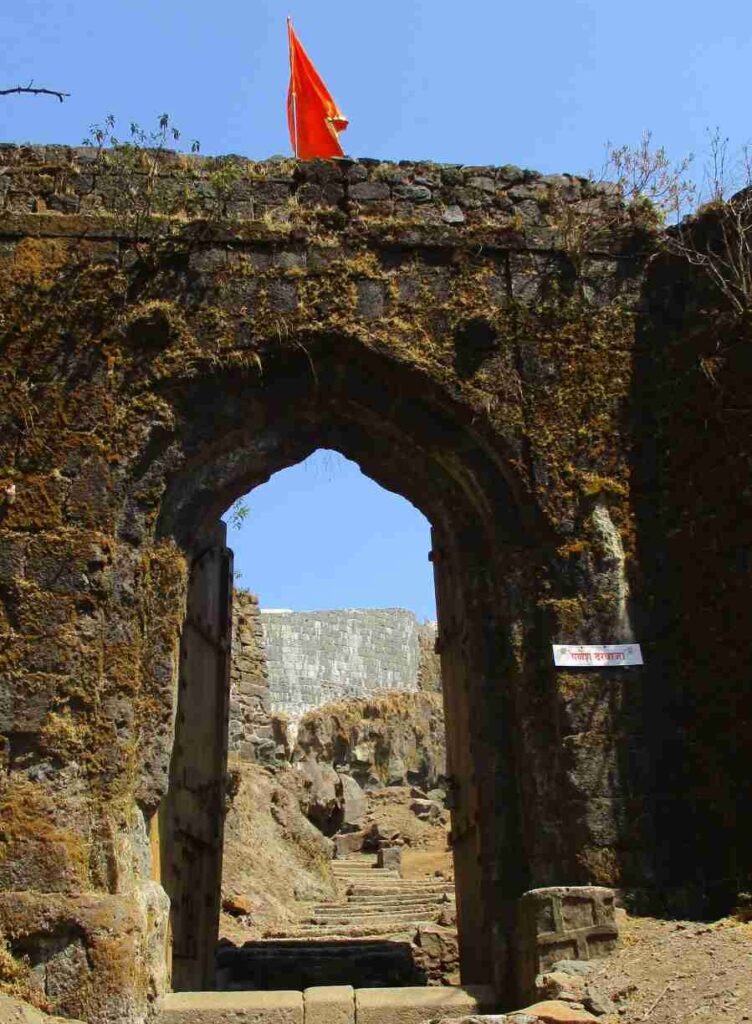
Photo caption: Exploring the fortifications and viewpoints at Korigad Fort near Aamby Valley City, Maharashtra.
For travellers searching for Korigad Fort photos before visiting, I recommend looking at the main gateway, historic fort walls, the plateau and surrounding valleys.
Different seasons offer very different views, especially during the monsoon.
Why I Found Korigad Fort More Peaceful Than Other Popular Treks?
Another thing I noticed during our visit was the number of tourists.
I had already visited the popular Lohagad and Visapur forts, and I knew how busy some trekking destinations around Lonavala could become.
But during our Sunday visit to Korigad Fort, I noticed relatively few people.
There was plenty of space to explore, sit and take photographs without constantly waiting for other visitors to move.
Of course, I can’t say every Sunday will be the same. Tourist numbers can increase during the monsoon, public holidays and special occasions.
But based on my experience, Korigad Fort felt quieter than the more crowded trekking destinations I had experienced before.
We spent approximately two to three hours at the summit.
We rested, explored, clicked photos and enjoyed the scenery.
During this time, I also read about Korigad Fort’s history, which made the experience even more interesting.
I’ll explain the historical background later in this guide.
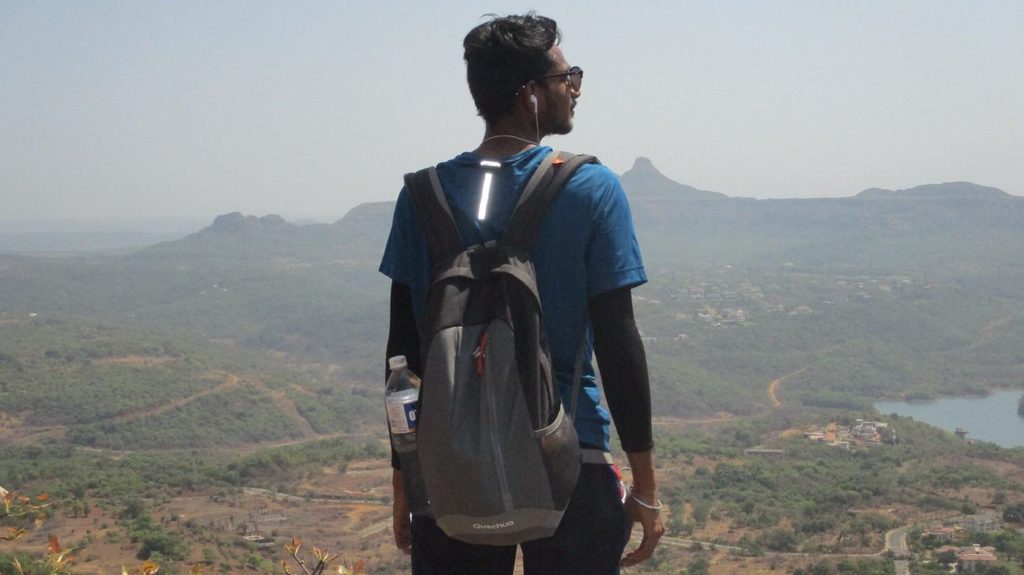
Descending Korigad Fort at 1 PM
After spending a few hours at the top, we decided to begin our descent.
It was approximately 1:00 PM.
By that time, the heat had become an important issue.
Even during our morning ascent, the sunlight had made the trek tiring.
The open plateau has limited shade, so walking during the hotter part of the day can quickly drain your energy.
This is one mistake I would avoid on my next visit.
My recommendation is to reach Peth Shahapur by 6:00–7:00 AM and aim to reach the summit before 9:00 AM.
An early start will usually give you cooler trekking conditions and more comfortable time to explore.
We carefully followed the same route back towards Peth Shahapur.
After completing the descent, we started searching for transportation to Lonavala Railway Station.
Our Lucky Return Journey: Peth Shahapur to Lonavala by Shared Jeep
During our onward journey, we had travelled by public bus.
But while returning, we found a shared jeep going towards Lonavala.
This was convenient because we didn’t know the exact timings of the return buses or shared vehicles.
Luckily, the jeep was available when we needed it.
We boarded the vehicle and travelled towards Lonavala.
The fare was ₹40 per person.
So, for both of us, the total shared jeep fare was ₹80.
We reached the Lonavala Railway Station area at approximately 3:00 PM.
Important: The ₹40 jeep fare was what we paid during our visit. It is not a confirmed current fare. Prices and availability can change depending on demand, local transport arrangements and season.
Never depend on finding a jeep at exactly the same time. If you’re travelling without your own vehicle, plan your return transport before starting the trek.
Misal Pav for Lunch in Lonavala
After returning to Lonavala, we were hungry.
Trekking, walking and travelling since early morning had made it a long day.
We found a local restaurant near Lonavala Railway Station and decided to have lunch.
This time, we ordered Misal Pav.
The total bill was ₹100 for both of us.
While eating, we continued talking about the fort, the views and the overall trekking experience.
Food feels different after spending hours walking around a mountain.
After finishing lunch, we went to the railway station and purchased our return tickets to Pune.
Again, the ticket price was ₹15 per person, or ₹30 for both of us.
Lonavala to Pune: We Slept During the Train Journey
On the way to Lonavala in the morning, we had spent most of the train journey talking.
But during our return journey, the situation was completely different.
Both of us were tired after the trek, particularly my friend.
Since this was his first trekking experience, his legs had started hurting, and he was also experiencing cramps.
Once we found seats on the train, we decided to rest.
Instead of talking throughout the journey, we slept for much of the ride back to Pune.
Eventually, we reached Pune Railway Station.
We collected the bike that my friend had parked earlier and started travelling back towards Wagholi.
Back to Wagholi: Ending Another Weekend Adventure
After reaching Wagholi, my friend dropped me off.
From there, I took a shared auto towards BJS Phata and returned to my hostel.
I reached my hostel at approximately 6:00 PM.
Surprisingly, I didn’t feel much pain after the trek.
Compared with my first trekking experiences, this one felt much more manageable.
After freshening up, I met my hostel friends.
Later, we went out for some tiffin, and I ate samosas.
As usual, my friends started asking about the trek.
So I told them about Korigad Fort, the beautiful scenery, how we reached it using public transportation and how my friend struggled during his first trek.
And that’s how another memorable weekend trip came to an end.
This Korigad Fort trek was special because I got to share the experience with a good friend.
But beyond the personal memories, I also learned that you don’t need an expensive travel package or your own vehicle to explore a beautiful fort near Pune.
With some planning and a small budget, it’s possible to experience a lot.
Complete Korigad Fort Travel Guide
Where Is Korigad Fort Located?
Korigad Fort is a historic hill fort in Mulshi taluka of Pune district, Maharashtra.
It is situated in the Sahyadri mountain range, close to Lonavala and Aamby Valley City.
The fort is also known as Koraigad, Koarigad and Kumwarigad.
Peth Shahapur, sometimes written as Peth Shahpur, is the most commonly used base village for the trek.
The fort stands at an approximate height of 923–929 metres above sea level, or around 3,028–3,048 feet.
Its location near Lonavala makes it suitable for a weekend trek from Pune or Mumbai.
For navigation, search for Korigad Fort, Peth Shahapur, Aamby Valley City, Maharashtra, or use Korigad Fort on Google Maps.
How to Reach Korigad Fort from Pune by Public Transport
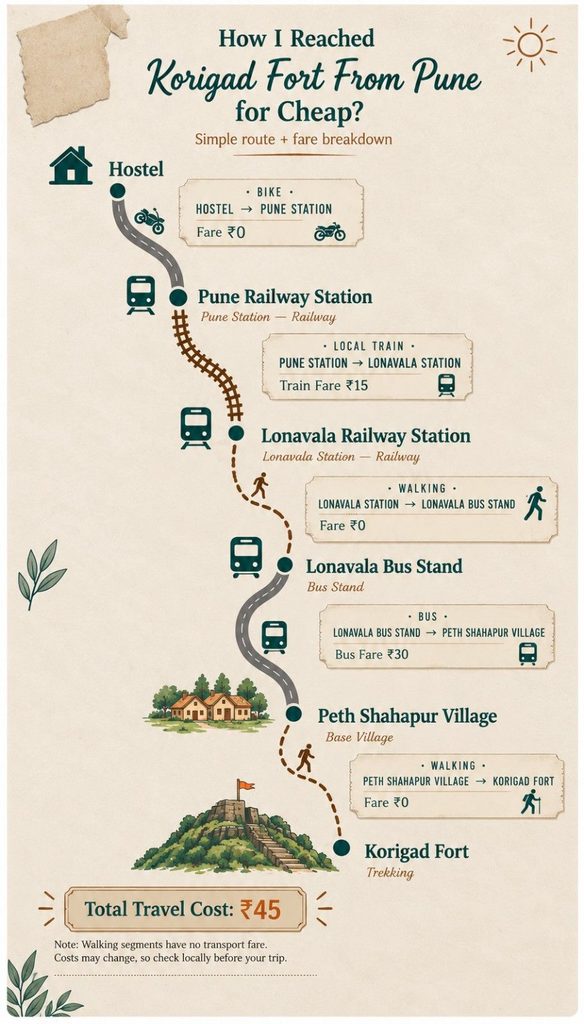
If you’re travelling on a low budget, you can follow a route similar to the one we used.
Step 1: Pune Railway Station to Lonavala
Start from Pune Railway Station and take a suitable train towards Lonavala.
During our journey, our ticket cost was ₹15 per person, and the train journey took approximately two hours.
Ticket prices, train types and timings can change.
Check the latest train schedule before your visit.
Step 2: Walk to Lonavala Bus Stand
After reaching Lonavala Railway Station, walk approximately 550 metres to the bus stand.
The distance is short enough to cover on foot.
Step 3: Lonavala Bus Stand to Peth Shahapur
At the bus stand, enquire about local buses going towards Peth Shahapur or Ambavane.
During our visit, we boarded a bus serving the Ambavane route and got down at Peth Shahapur.
Our ticket cost was ₹30 per person, and the journey took nearly one hour.
Not every bus travelling towards Ambavane necessarily follows an identical route or stopping pattern, so confirm your stop with the conductor.
Step 4: Peth Shahapur to Korigad Fort
Once you reach Peth Shahapur, ask the locals for the Korigad Fort trekking route.
Follow the established trail towards the fort entrance.
The climb generally takes around 1–1.5 hours, depending on your fitness, pace and weather.
Complete public transport route:
Pune Railway Station → Lonavala Railway Station → Lonavala Bus Stand → Peth Shahapur → Korigad Fort Trek.
Can You Reach Korigad Fort Without a Bike or Car?
Yes. I completed the main part of my journey by train, bus and shared jeep.
However, you should understand that public transport between Lonavala and Peth Shahapur is limited.
While the Pune–Lonavala rail connection is relatively straightforward, the last-mile journey needs more planning.
A shared jeep, local bus or hired vehicle may be available, but you should not assume that a particular service runs at a fixed frequency.
It’s better to confirm both onward and return arrangements at Lonavala before heading to the base village.
How to Reach Korigad Fort by Bike or Car?
If you have your own two-wheeler or car, travelling to Korigad Fort becomes more flexible.
Route from Pune
A commonly used driving route is:
Pune → Lonavala → Bhushi Dam Road → Aamby Valley Road → Peth Shahapur → Korigad Fort.
Depending on your starting point, another route may be available through Paud and the Mulshi region.
When planning your journey, use Peth Shahapur as the navigation destination rather than assuming you can drive directly into the fort or through private roads inside Aamby Valley City.
Two-wheelers cannot use the Mumbai–Pune Expressway, so motorcycle travellers should select a legally permitted road.
Route from Mumbai and Thane
Travellers from Mumbai and Thane can generally approach the Lonavala region through the Mumbai–Pune highway corridor and then continue towards Peth Shahapur.
The final road passes through hilly terrain, so allow extra time during heavy rain, fog and weekend traffic.
Cars may use permitted expressway routes, while motorcycles must remain on roads where two-wheelers are allowed.
Korigad Fort Distance from Major Cities
Here are approximate road distances and travel times to the Korigad Fort base area.
| Starting Location | Approx. Distance | Estimated Road Travel Time |
| Peth Shahapur village | 1–2 km walking approach to fort | 1–1.5 hrs trekking |
| Lonavala | 20–25 km | 45–75 mins |
| Pune | 75–100 km | 2–3 hrs |
| Mumbai | 105–145 km | 3–4.5 hrs |
| Thane | 105–135 km | 3–4.5 hrs |
| Nashik | 200–230 km | 4.5–6 hrs |
| Hyderabad | 740–800 km | 13–17 hrs |
| Karimnagar | 780–840 km | 15–18 hrs |
| Warangal | 760–880 km | 15–19 hrs |
These are approximate planning ranges, not live navigation measurements. The chosen road, exact starting point, traffic and weather can significantly change both distance and travel time. Long-distance travellers from Telangana should consider staying in Pune or Lonavala rather than attempting Korigad as a same-day road trip.
Korigad Fort Trek Difficulty, Distance and Duration
One of the most common questions is whether the Korigad Fort trek is suitable for beginners.
Based on my experience, I would classify it as an easy trek under favourable weather conditions.
The trekking trail from Peth Shahapur is reasonably straightforward, and the upper approach has a long series of stone steps.
Some guides describe approximately 500 steps on the approach.
You can expect around 1–2 kilometres of walking each way depending on where you park or start walking.
Experienced trekkers may reach the summit in around an hour, while first-time visitors should allow closer to 1.5–2 hours with breaks.
After reaching the summit, allow another 1–2 hours to explore the fort properly.
We personally spent around two to three hours at the top because we were taking photographs, recording videos and enjoying the scenery.
Korigad Fort Trek Route from Peth Shahapur
The standard route begins near Peth Shahapur village.
You walk along the approach trail, continue through a short section of vegetation and eventually reach the stone staircase leading to the main entrance.
Compared with the route-finding difficulties I had experienced at Visapur Fort, this trail was much easier to follow.
However, the steps can become slippery during monsoon rain.
Always stay on the established path and avoid taking shortcuts, particularly near cliffs and wet rock faces.
Korigad Fort Timings and Entry Fee
There was no entry fee when I visited Korigad Fort.
We were able to enter and explore the fort without purchasing a ticket.
I could not confirm an authoritative, consistently published official opening-and-closing schedule for the entire fort.
For planning purposes, daylight hours are the safest visiting window, preferably starting early in the morning and completing the descent well before sunset.
Aim to reach the base around 6:00–7:00 AM and the summit before 9:00 AM when possible.
Do not treat the suggested early-morning visiting time as an official opening time. Local authorities may restrict access during severe weather or for safety reasons.
Korigad Fort Parking Facilities
If you’re travelling by car or bike, parking is available around the Peth Shahapur base village area.
During my visit, I noticed plenty of space for visitors arriving in their own vehicles.
So you don’t necessarily need to travel to Lonavala Railway Station and use public transport like we did.
You can reach the base village directly by road, park your vehicle in an appropriate designated area and begin the trek.
However, I cannot confirm a fixed Korigad Fort parking fee.
Some local parking arrangements may involve charges, and these can change with the season or local management.
My advice is to reach early on weekends, confirm the parking price before leaving your vehicle and avoid blocking village roads or private property.
Best Time to Visit Korigad Fort
Korigad Fort can offer different experiences throughout the year.
June to September: Monsoon Season
During the rainy season, the surrounding Sahyadri mountains become green, and mist can create beautiful views.
This is a popular time for nature photography and trekking.
However, the same weather can make the stone staircase slippery. Heavy rainfall can also create flowing water over parts of the approach.
Avoid trekking during dangerous weather or when authorities impose restrictions.
October to February: Winter and Post-Monsoon
This is a good period for travellers who prefer cooler temperatures and clearer views.
The walking conditions are often more comfortable than during peak summer.
For first-time trekkers, a dry day during this period may be preferable to a heavy monsoon trek.
March to May: Summer
Summer can be uncomfortable because the summit plateau is open and offers limited shade.
This was the biggest issue I noticed during my trip.
We reached the base at around 9 AM, and the heat made the climb more tiring.
If you’re visiting during hotter weather, start as early as possible, carry enough water and avoid spending too much time in direct midday sunlight.
What to Carry for the Korigad Fort Trek?
You don’t need expensive trekking equipment for this beginner-friendly fort trail in normal weather.
I recommend carrying water, light snacks, good trekking shoes with proper grip, sun protection, a charged phone, a small first-aid kit and some cash for local transportation.
During the monsoon, add a rain jacket and waterproof protection for your phone or camera.
Don’t rely on finding drinking water or food stalls at the summit.
Although vendors may occasionally be present, facilities can be limited and inconsistent.
Most importantly, take your waste back with you and avoid damaging the fort walls, temples or historical structures.
Korigad Fort History, Attractions and Budget
Korigad Fort History: The Story Behind This Historic Fort
After spending time exploring the summit, I became curious about the history of Korigad Fort.
Whenever I visit a historic fort, I enjoy reading about its past.
The trekking experience is one part of the journey, but understanding the history makes the place even more interesting.
Korigad Fort has an important connection with the Maratha Empire and the military history of Maharashtra.
Who Built Korigad Fort?
The exact construction date and original builders of Korigad Fort are not clearly established.
Historical and travel references generally suggest that the fort existed before 1500 CE.
This means it was already an established hill fort before it became associated with the Maratha kingdom.
Its location in the Sahyadri hills gave it strategic value for observing the surrounding region and routes between the Deccan plateau and the Konkan side.
Korigad Fort and Chhatrapati Shivaji Maharaj
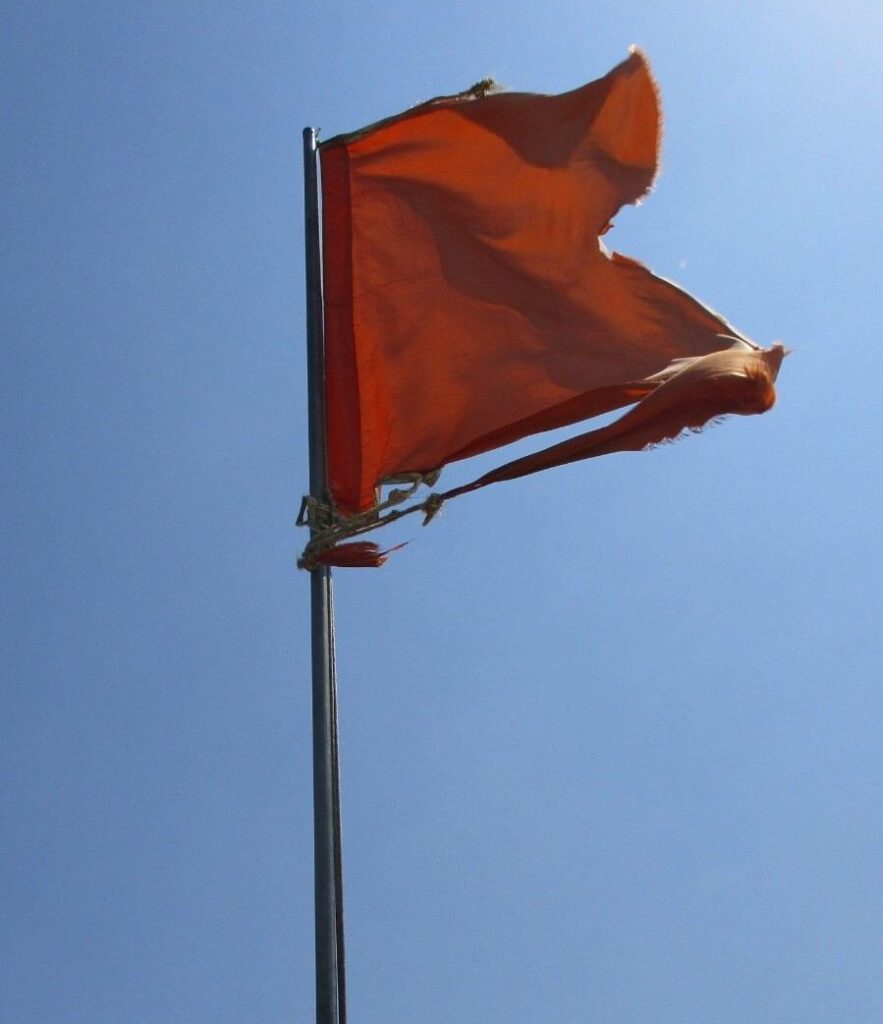
One of the significant periods in Korigad Fort’s history came during the reign of Chhatrapati Shivaji Maharaj.
Historical accounts commonly state that the fort was incorporated into his kingdom in 1657.
Other forts in the region, including Lohagad, Visapur, Tung and Tikona, were also associated with the Maratha expansion around this period.
Korigad’s elevated position and fortifications made it a valuable hilltop stronghold.
Its defensive walls, gateways and surrounding terrain helped protect the fort from attackers.
The surviving structures still give visitors an idea of how these forts were built for security and military purposes.
How Did Korigad Fort Come Under British Control?
Another important event occurred in March 1818, during the final phase of the Anglo-Maratha conflict.
Accounts describe British forces under Colonel Prother attempting to capture Korigad Fort.
The defenders resisted the attack, and the fort’s strong position made it difficult to capture.
According to historical accounts of the siege, a projectile ignited ammunition stored inside the fort, causing an explosion.
The fort subsequently came under British control on 14 March 1818.
Today, the remaining fortifications, historic cannons, gateways and ruined structures remind visitors of this period.
For additional background on the fort’s structures and recorded history, you can refer to this Korigad Fort historical and travel guide.
What to See at the Top of Korigad Fort?
One of the best things about Korigad is that reaching the summit is not the end of the experience.
The hilltop has a large plateau with several historical structures and viewpoints.
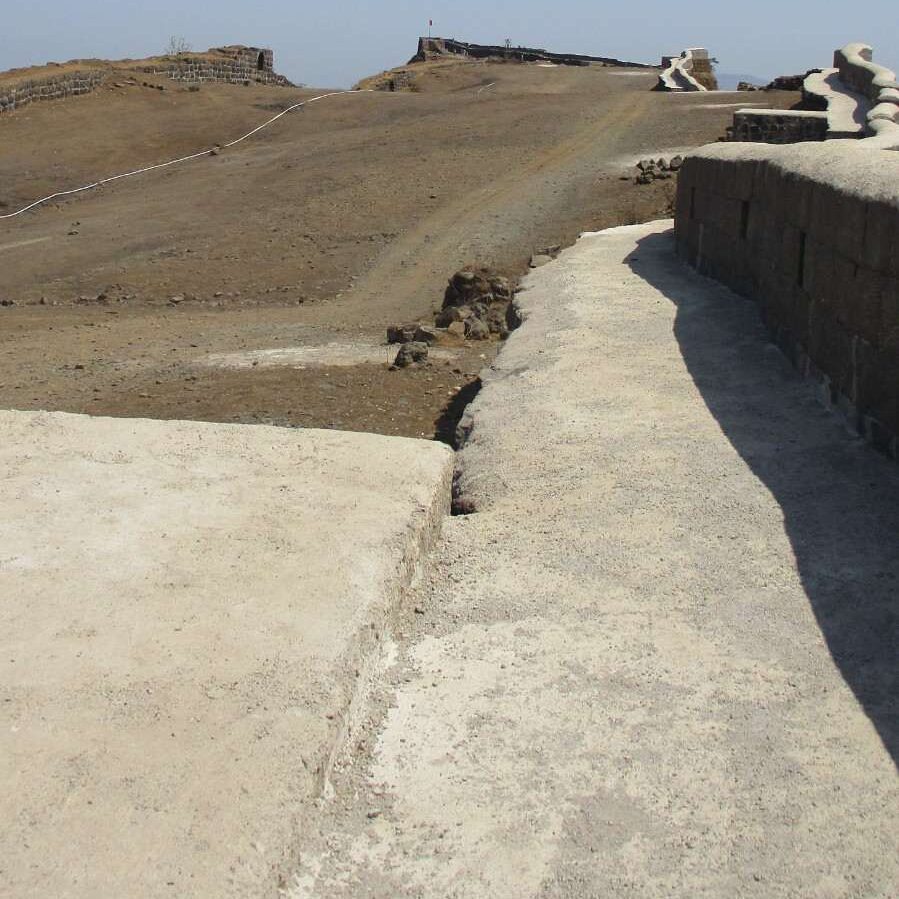
1. Korigad Fort Walls and Bastions
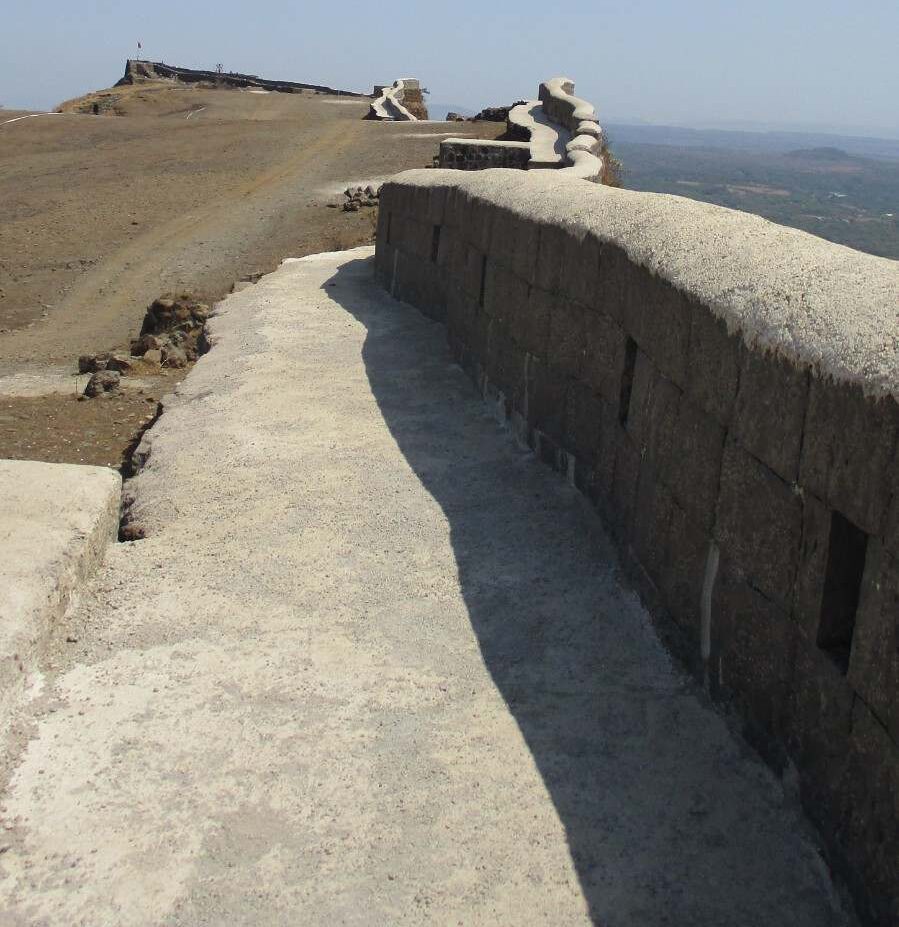
The fort’s walls are among its most impressive surviving features.
Unlike some forts where only scattered ruins remain, Korigad still has extensive stone fortifications.
The walls follow much of the perimeter of the hilltop.
You can admire the architecture and surrounding landscape from the fort area, but avoid unsafe or exposed wall sections.
2. Koraidevi Temple
Koraidevi Temple is an important religious landmark inside Korigad Fort.
It is dedicated to Goddess Korai, who is associated with the fort.
Visitors interested in religious and historical places can include the temple while exploring the plateau.
Respect the temple premises and any local customs.
3. Lakes on the Fort
Korigad Fort has two water bodies on its summit plateau.
These are among the interesting features of the hilltop landscape.
Their appearance and water levels can change with the season.
The lakes also provide attractive photography opportunities, particularly when the surrounding landscape is green.
Do not assume the water is safe for drinking or swimming.
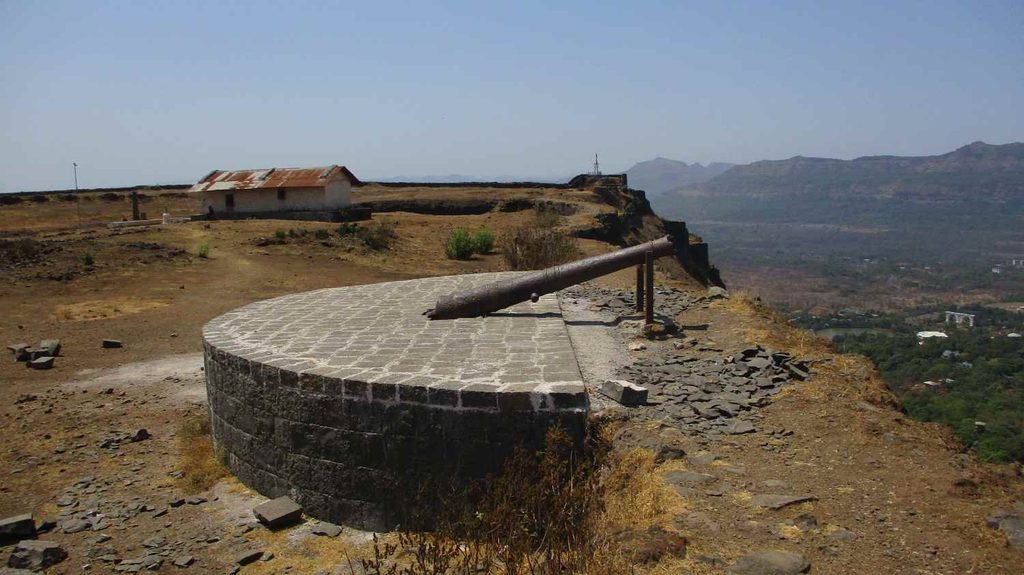
4. Historic Cannons
Old cannons can be found on Korigad Fort.
Travel references commonly describe six surviving cannons, including a larger one known as Laxmi Toph near the Koraidevi Temple.
These structures are reminders of the fort’s military past.
They also make interesting subjects for historical photography.
5. Korigad Fort Viewpoints and Aamby Valley
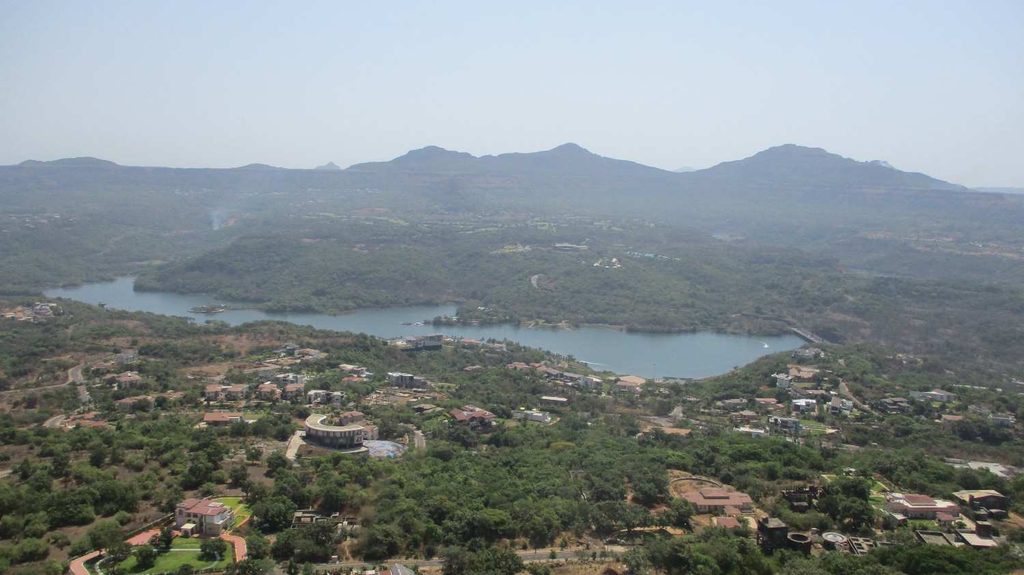
My favourite part of the fort was the scenery.
From the higher sections, visitors can enjoy panoramic views of the surrounding Sahyadri mountains and the Aamby Valley landscape.
The combination of open space, hills and old stone walls makes Korigad a beautiful destination for photography.
If you enjoy taking travel photos and making reels, allow extra time at the summit.
But avoid standing close to steep drops just to capture a photograph.
Places to Visit Near Korigad Fort
If you have a private vehicle and enough time after completing your trek, you can explore several attractions around Lonavala and Aamby Valley.
Lion’s Point and Tiger Point
Both are popular viewpoints along the Lonavala–Aamby Valley route.
They are good options for travellers who enjoy mountain landscapes, scenic drives and photography.
The viewpoints are particularly attractive during the monsoon, although fog can sometimes reduce visibility.
Bhushi Dam
Bhushi Dam is one of the popular monsoon attractions near Lonavala.
Visitors come here to see the seasonal water flow and surrounding greenery.
However, crowds can be heavy during rainy weekends, and visitors must follow any local safety restrictions around the water.
Lohagad Fort
Lohagad is another famous historical fort near Lonavala.
I had already completed this trek before visiting Korigad.
It is a good option for people interested in beginner-friendly fort trekking, Maratha history and scenic viewpoints.
If you’re interested in reading about my previous trip, check out my Lohagad Fort Pune travel story.
Visapur Fort
Visapur is another excellent historical trekking destination in the Lonavala region.
The experience is different from Korigad because Visapur has a larger, more rugged trekking environment, and route selection can require extra attention.
You can also explore historical attractions such as Bhaja Caves in the Malavli region if you’re planning a longer trip.
These nearby destinations are not necessarily all convenient to combine in one day using public transport. Travelling by car or bike makes it much easier to explore additional locations.
For regional attractions and route ideas, the Aamby Valley nearby places guide provides useful information.
My Korigad Fort Trek Budget from Pune
Now comes one of the most important parts of this guide.
How much did the trip cost?
As I mentioned earlier, we planned this journey on a limited budget.
We used a borrowed bike only for reaching Pune Railway Station, while the main journey was completed using a train, bus and shared jeep.
Here is the breakdown of the expenses I recorded during our trip.
| Expense | Cost for 2 People | Approx. Per Person |
| Pune to Lonavala train | ₹30 | ₹15 |
| Breakfast: 2 Vada Pavs | ₹30 | ₹15 |
| Tea | ₹10 | ₹5 |
| Lonavala to Peth Shahapur bus | ₹60 | ₹30 |
| Korigad Fort entry | ₹0 | ₹0 |
| Peth Shahapur to Lonavala shared jeep | ₹80 | ₹40 |
| Lunch: Misal Pav | ₹100 | ₹50 |
| Lonavala to Pune train | ₹30 | ₹15 |
| Total recorded expenses | ₹340 | ₹170 |
Important budget note: The ₹170 figure is based on equally splitting the recorded expenses between the two of us. It excludes Pune Railway Station bike parking, fuel, my final shared-auto ride to BJS Phata, evening snacks and any other unrecorded personal expenses.
This is also a record of what we spent during our visit, not a guarantee of current train, bus or jeep fares.
Still, it shows that you can plan a very affordable Korigad Fort trip when public transport connections are available.
My Suggested One-Day Korigad Fort Itinerary
If you’re planning to travel from Lonavala or arriving at the base using your own vehicle, here is a more comfortable itinerary than the one we followed.
| Suggested Time | Activity |
| 6:00–7:00 AM | Reach Peth Shahapur and prepare for the trek |
| 7:00 AM | Start the ascent |
| 8:00–9:00 AM | Reach the summit and rest |
| 9:00–11:00 AM | Explore the fort, temples and viewpoints |
| 11:00 AM | Begin the descent |
| 12:00–12:30 PM | Return to Peth Shahapur |
| Afternoon | Return towards Lonavala and have lunch |
This itinerary assumes you can reach the base early. If you’re travelling from Pune by train and bus, adjust your schedule according to the actual services available.
I recommend keeping enough buffer time for your return journey.
Final Thoughts: Was Korigad Fort Worth Visiting?
After completing Visapur and Lohagad, I wanted to explore another historical fort without spending too much money.
Korigad Fort turned out to be a good choice.
The trek was manageable, the route was easier to follow than I expected, and the views from the summit made the effort worthwhile.
But what made this journey different from my previous trips was travelling with my friend.
From random conversations during the morning train journey to watching him struggle during his first trek, there were plenty of moments that made the day memorable.
I also realised how much my own trekking fitness had improved compared with my earlier adventures.
We started from Wagholi early on Sunday, explored Korigad Fort, returned through Lonavala and reached our hostel area by evening.
All without requiring an expensive travel package.
If you’re planning to visit Korigad Fort near Aamby Valley City, Maharashtra, my biggest recommendation is to start early, carry enough water, confirm your return transport and allow time to explore the entire summit rather than simply reaching the top and leaving.
For me, this was another memorable addition to my Maharashtra fort trekking journeys.
And there are still many more forts waiting to be explored.
Stay tuned for more real travel stories and budget travel guides on Travel With Kartik.
Frequently Asked Questions
Where is Korigad Fort located?
Korigad Fort is located near Peth Shahapur village and Aamby Valley City in Mulshi taluka, Pune district, Maharashtra. It is approximately 20–25 kilometres from Lonavala.
Is Korigad Fort trek easy or difficult?
Korigad Fort is generally considered an easy trek in normal weather. The path from Peth Shahapur is relatively straightforward, with stone steps leading towards the main entrance. However, beginners may still find the climb tiring, and the route becomes more hazardous during heavy rain.
What is the height of Korigad Fort?
Korigad Fort stands at approximately 923–929 metres, or 3,028–3,048 feet, above sea level. Figures vary slightly across published references.
Is there an entry fee for Korigad Fort?
There was no entry fee during my visit. However, check for any updated local regulations or access restrictions before travelling.
Is Korigad Fort good for first-time trekkers?
Yes, Korigad can be a suitable beginner trek during good weather, provided visitors have reasonable fitness and use appropriate footwear. My friend completed it as his first trek, although he was very tired afterwards.

Solo traveller, biker, and explorer sharing honest travel guides, hidden places, and unforgettable road trips across India.