
Lohagad Fort Pune: My Honest Solo Trek Experience
Lohagad Fort Pune is one of those places I had on my mind even before completing my first fort trek in Maharashtra. After successfully completing my Visapur Fort trek, I knew there was another historical fort nearby that I shouldn’t miss: Lohagad Fort.
During my Visapur trek, I discovered that Visapur Fort and Lohagad Fort are located close to each other. Experienced trekkers with good stamina can plan both forts on the same day. However, at that time, my fitness level was not particularly good, and I had only recently started exploring forts on my own.
Instead of exhausting myself by attempting both treks together, I decided to save Lohagad for another weekend.
And guess what? Just one week after my Visapur trek, I was back on the same Pune–Lonavala railway route, ready for another solo adventure.
This time, I had a small advantage. I already knew the route, the railway station, and how to reach the trekking area. More importantly, I had learned something from my previous experience: saving energy before a trek is just as important as completing the trek itself.
In this article, I’ll share my actual Lohagad Fort Pune travel experience, including how I reached the fort from Pune using public transportation, how much I spent, the trekking difficulty, the history of the fort, and the things you should know before planning your visit.
Lohagad Fort Pune: Quick Information
| Location | Lohagadwadi, Maval Taluka, Pune district, Maharashtra |
| Fort height | 1,033 metres (3,389 feet) above sea level |
| Fort name meaning | Iron Fort |
| Nearest railway station | Malavli (Malavali) |
| Distance from Pune | Approximately 60–65 km by road |
| Trek difficulty | Easy to moderate, depending on weather and fitness |
| My ascent time | Approximately 2 hours |
| Best time to visit | September to February; monsoon for lush greenery, with extra caution |
| Heritage status | Part of the UNESCO-listed Maratha Military Landscapes of India |
My Lohagad Fort Trek Story: Returning to the Same Route
Why I Chose Lohagad Fort After Visapur?
After completing my Visapur Fort trek, I was feeling much more confident about travelling alone.
Before Visapur, I was still learning how to manage solo treks, especially when it came to transportation, trekking routes, and physical stamina.
Visapur taught me many things, but the biggest lesson was not to waste all my energy before even reaching the actual trekking point.
During that trip, I had walked a considerable distance before starting the fort trek itself. By the time I reached the climbing section, I had already used up a lot of energy.
While researching Visapur, I also found Lohagad Fort nearby. Both forts could be visited from the Malavli side, so I made a small promise to myself.
Whenever I get another free weekend, I’ll come back and explore Lohagad Fort.
Luckily, I didn’t have to wait for too long.
Just one week later, I decided to complete my next solo trek.
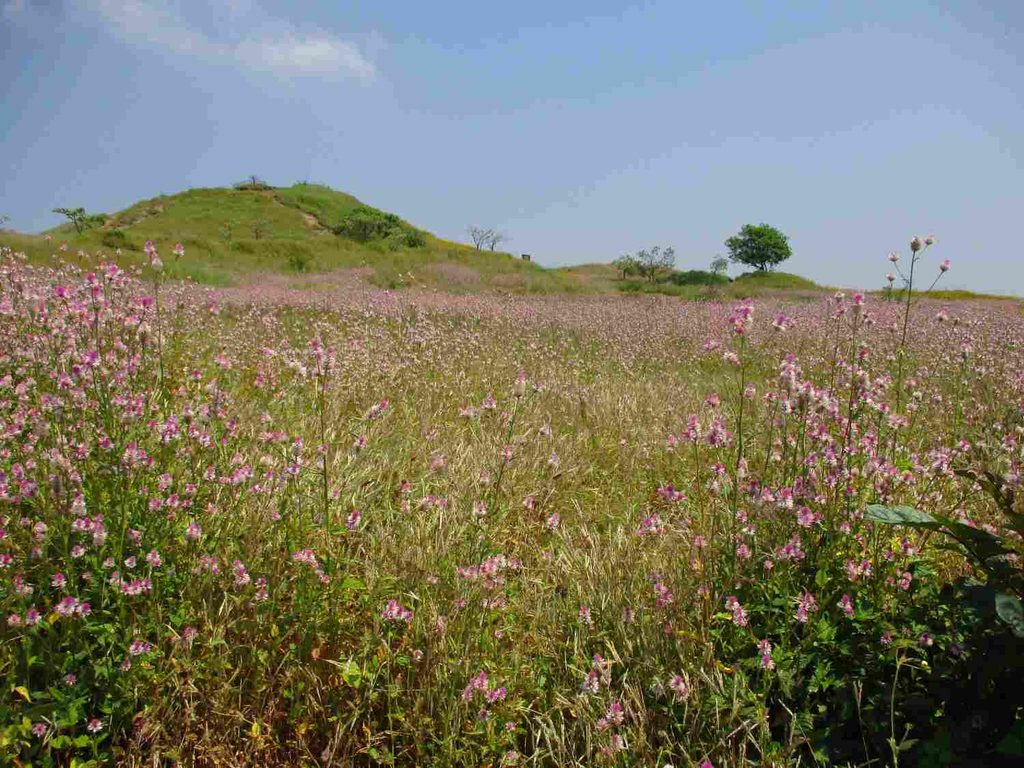
Sunday Morning: My Journey Started at 4 AM
Unlike my previous trip, this time I decided to visit Lohagad Fort Pune on a Sunday.
I woke up at 4:00 AM at my hostel and started getting ready. Since I already knew the train route, I didn’t need to spend much time figuring out how to travel.
I booked an Ola cab from my hostel to Pune Railway Station.
Hostel to Pune Railway Station: ₹270
After reaching Pune Railway Station, I purchased a local train ticket to Malavli Railway Station.
Pune to Malavli local train ticket: ₹15
My planned train was around 5:30 AM.
One thing I particularly like about travelling early in the morning is that public transportation is usually less crowded than during peak hours.
When I entered the local train, I easily found a seat. There wasn’t much rush, and the journey felt comfortable.
The train operates on the Pune–Lonavala local railway route, which is useful for travellers planning to explore forts and trekking destinations near Lonavala.
Reaching Malavli Railway Station
After the train journey, I reached Malavli Railway Station at approximately 7:00 AM.
I had been on this railway route during my Visapur trek, so the station and surrounding roads were already familiar.
After coming outside, the first thing I did was stop for a cup of tea.
Tea at Malavli Railway Station: ₹10
There is something special about having a morning cup of tea before starting a trek. It feels like a small reward before the actual adventure begins.
After finishing my tea, I crossed the highway using the available crossing route and continued towards the Lohagad Fort side.
But this time, something was different.
During my previous Visapur trip, I had covered much of the approach on foot. This time, I noticed that shared local auto-rickshaws were available to take passengers towards the Lohagad Fort starting point.
I immediately decided to use one.
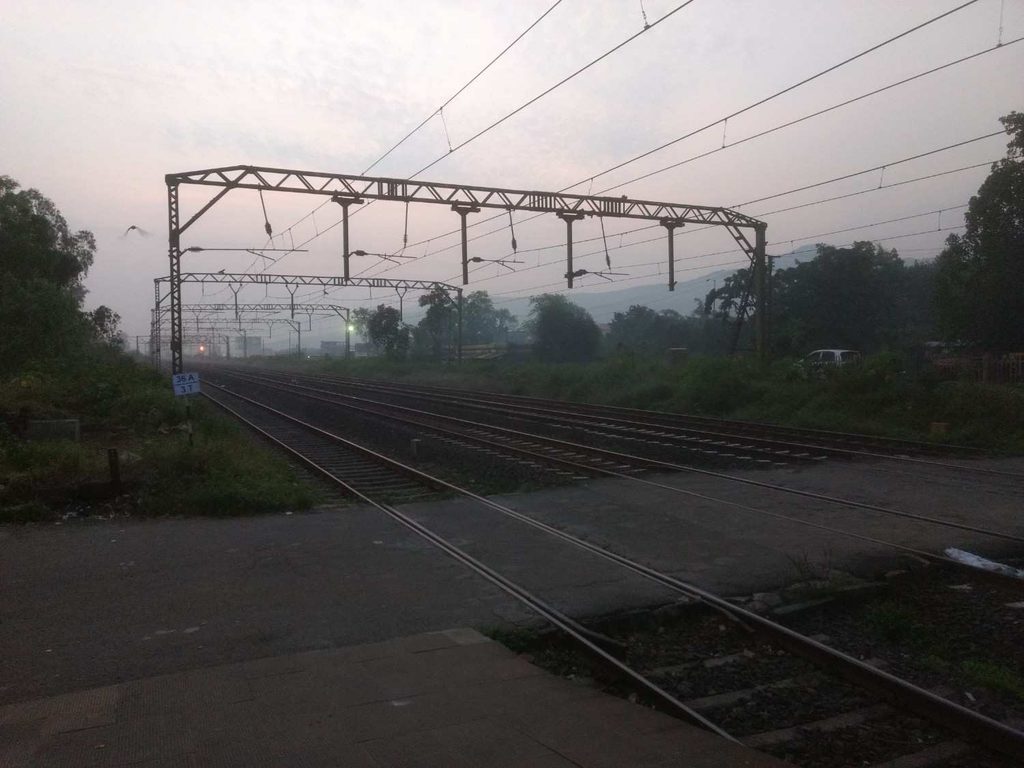
Malavli Railway Station to Lohagad Fort by Shared Auto
The distance from Malavli Railway Station to the Lohagadwadi approach area is approximately 5–6 km by road, depending on the drop-off point.
Since I had already learned how tiring a long approach walk could be, I didn’t want to make the same mistake again.
The shared auto-rickshaw charged me just ₹30 per person at the time of my visit.
I had to wait around 10–20 minutes because it was a shared auto. Once enough passengers joined, the driver started towards Lohagad Fort.
The journey took approximately 30 minutes, and the auto dropped us near the trekking starting point.
This small decision made a big difference to my day.
Instead of spending my energy walking from the railway station, I could save it for climbing the fort.
My suggestion: If you are planning a budget trek from Malavli Railway Station, ask local drivers whether shared autos are available towards Lohagadwadi. Fares, drop-off points and availability can vary, especially during the rainy season.
Starting My Lohagad Fort Trek
After reaching the Lohagad Fort starting point, I purchased a water bottle before beginning the climb.
Water bottle: ₹20
I always prefer carrying enough drinking water during treks because you cannot depend on shops being available everywhere along the route.
After taking a short break and getting ready, I finally started trekking towards Lohagad Fort.
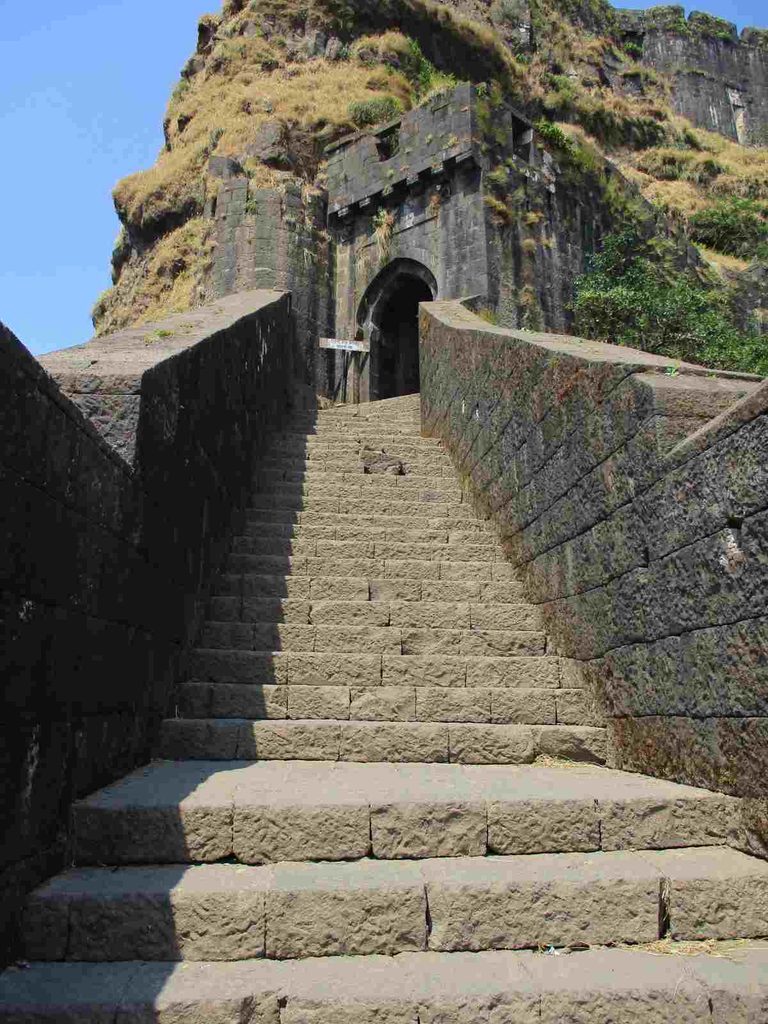
Is Lohagad Fort Trek Difficult?
Compared to my previous Visapur Fort experience, I found Lohagad Fort relatively manageable.
The fort has a developed approach with historic stone steps and gateways, which makes the main ascent easier to follow than many unmarked trekking routes.
That doesn’t mean the climb is effortless.
There are uphill sections, long stairways, and areas where you need to pay attention to your footing. During the monsoon, the stone steps can also become slippery.
For someone who has just started trekking, I would describe Lohagad Fort as an easy-to-moderate trek.
I was not particularly fit at that time, so instead of trying to climb quickly, I took frequent breaks.
Whenever I felt tired, I stopped, rested for a few minutes, enjoyed the surroundings, and continued climbing.
I wasn’t competing with anyone, and I didn’t have a fixed target to reach the top as quickly as possible.
My only goal was to enjoy the trek and reach the fort safely.
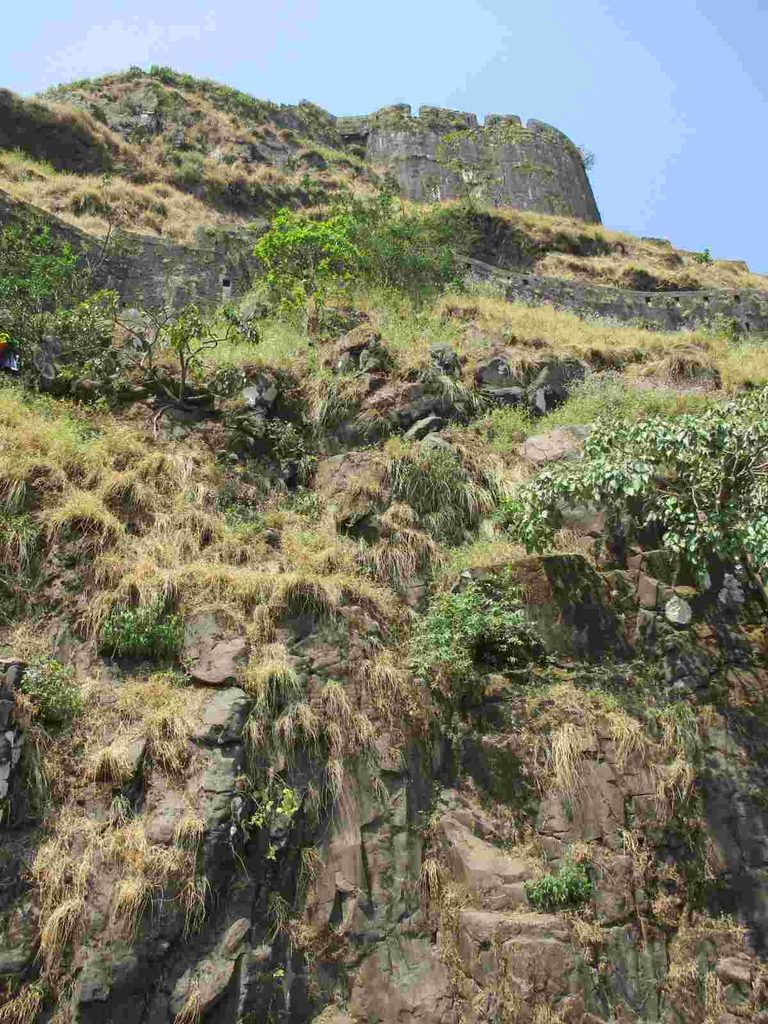
Finally Reaching the Top After Two Hours
After approximately two hours of trekking, I finally reached the top of Lohagad Fort.
And trust me, the views made the entire journey worthwhile.
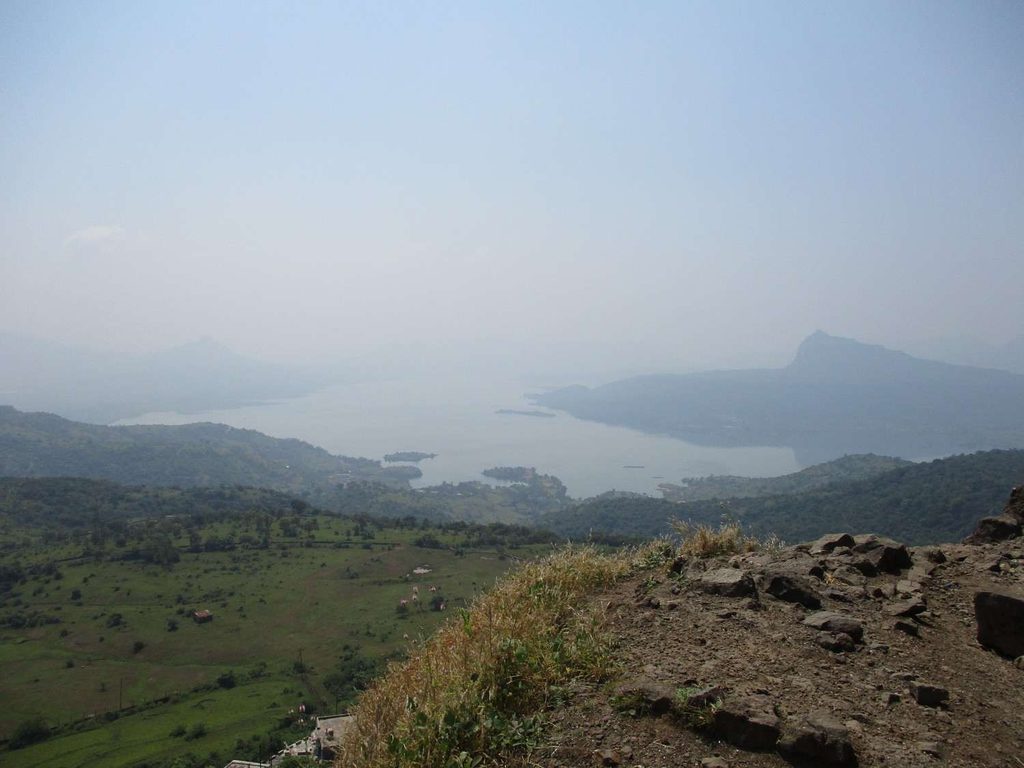
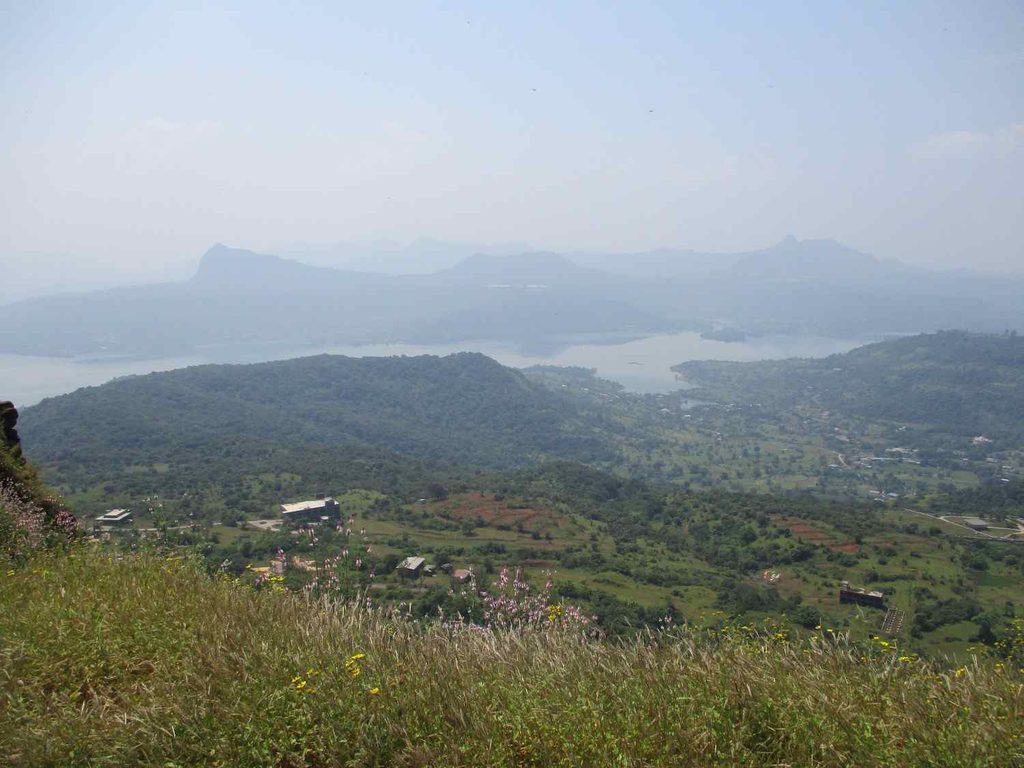
From the fort, I could see beautiful green landscapes, surrounding hills, and the wide valleys of the Sahyadri mountain range.
The scenery was completely different from the busy streets and daily routine of Pune.
For a few moments, I simply stood there enjoying the view.
That is one of the reasons I love visiting forts and trekking destinations. Sometimes, you don’t need a big travel plan, expensive hotels, or a large group of friends.
All you need is a free weekend, a little courage, and the willingness to explore something new.
I spent plenty of time at the top, enjoying the greenery and clicking photographs to remember the trip.
Before leaving, I also became curious about the history of Lohagad Fort.
I had come here mainly for trekking and scenery, but after learning about its historical importance, the place became even more interesting to me.
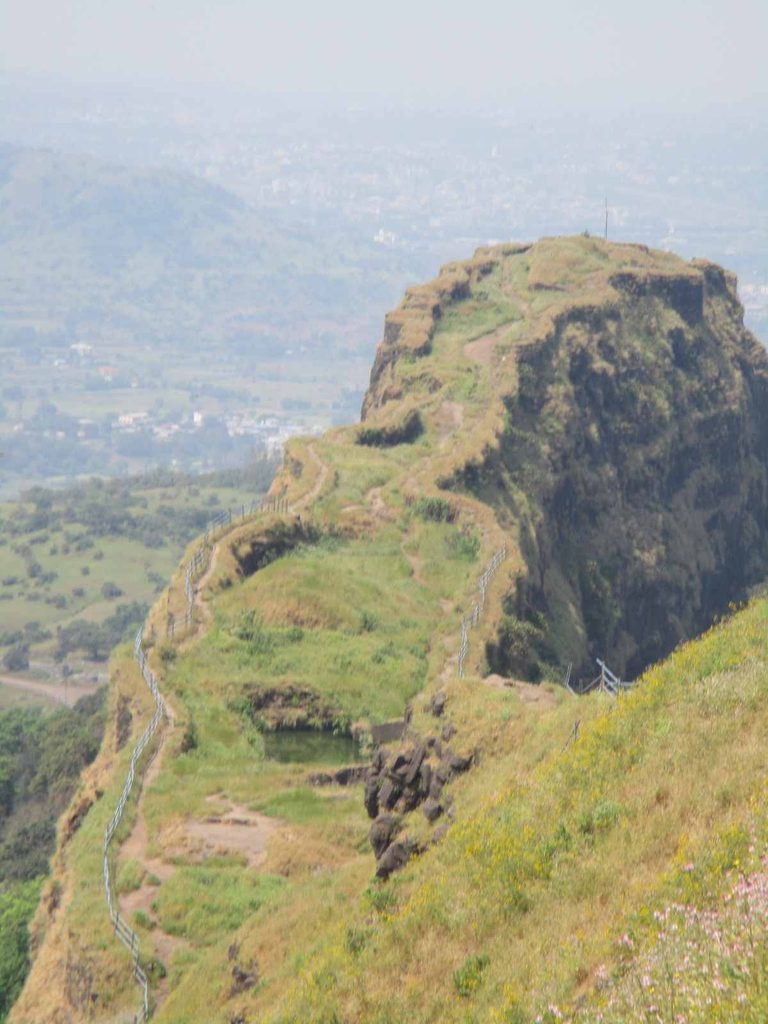
Lohagad Fort History: Why Is This Fort So Famous?
After reaching the top and spending some time exploring, I became interested in the history of Lohagad Fort.
I had already seen the impressive stone construction during my climb, but I wanted to understand why this fort was historically important.
The name Lohagad means Iron Fort, a fitting name for a structure famous for its defensive architecture and strategic position.
Early History of Lohagad Fort
Lohagad Fort has a history extending across several centuries.
The fort’s early construction is traditionally associated with the Lohtamia dynasty, around the 10th century CE, although different historical accounts give varying dates for its development.
Over time, the surrounding region came under the influence of several ruling powers, including the Yadavas, Bahmani Sultanate, Nizamshahi rulers, Mughals and Marathas.
Its location in the Sahyadri mountains made it strategically important because it overlooked routes connecting the Deccan plateau with the western coastal region.
For rulers attempting to control important trade and military routes, such forts were extremely valuable.
Lohagad Fort and Chhatrapati Shivaji Maharaj
The most fascinating part of Lohagad Fort’s history is its association with Chhatrapati Shivaji Maharaj.
According to Maharashtra Tourism, Shivaji Maharaj captured Lohagad Fort in 1648.
However, during the Treaty of Purandar in 1665, he had to surrender several forts to the Mughals, including Lohagad.
In 1670, the Marathas regained control of Lohagad Fort.
The fort subsequently served as an important military stronghold and treasury location. Historical accounts associate it with the storage of wealth from Shivaji Maharaj’s Surat campaign.
During the later Peshwa period, Nana Phadnavis was associated with the fort and the construction of structures such as a large water tank and stepwell.
What makes this history interesting to me is that, from the outside, Lohagad looks like a beautiful trekking destination.
But when you learn about the rulers, soldiers and historical events associated with it, you begin seeing the fort differently.
Those huge stone walls were not built simply for decoration. They were part of a military defence system designed to protect the fort and control access.
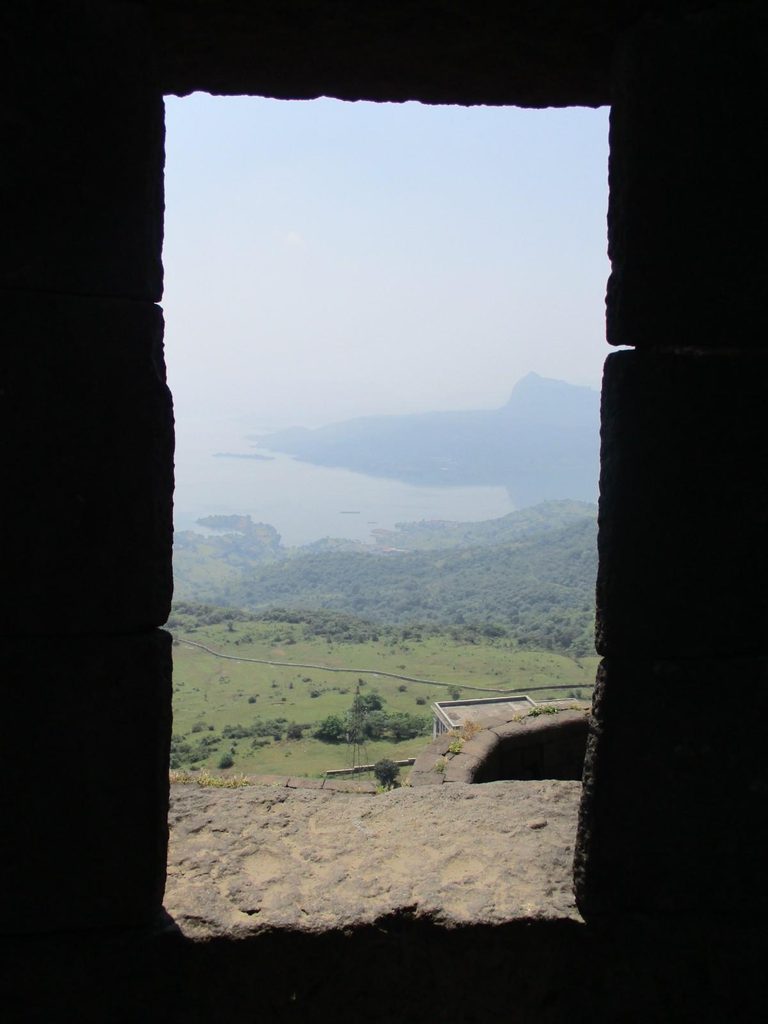
Lohagad Fort Became Part of a UNESCO World Heritage Site in 2025
One important recent development is that Lohagad Fort is now part of the UNESCO World Heritage property called the Maratha Military Landscapes of India.
The property was officially inscribed in July 2025 and includes 12 forts, with 11 in Maharashtra and one in Tamil Nadu.
Lohagad is included alongside other important forts such as Raigad, Rajgad, Shivneri and Pratapgad.
UNESCO recognises this collection of forts for their military architecture, strategic locations and significance in Maratha history.
For more detailed historical information, travellers can refer to the official UNESCO heritage listing.
Important Places to See Inside Lohagad Fort
The trek itself is enjoyable, but Lohagad is also worth exploring for its historical structures and viewpoints.
1. Four Historical Gateways
Lohagad Fort is famous for its four major gateways: Ganesh Darwaja, Narayan Darwaja, Hanuman Darwaja and Maha Darwaja. Their stone construction and defensive design are among the fort’s most recognisable architectural features.
2. Vinchu Kata
Vinchu Kata is a narrow fortified ridge extending from the main fort. Its name refers to its resemblance to a scorpion’s tail. It offers impressive views, but the exposed sections require caution, particularly during strong winds and heavy rain.
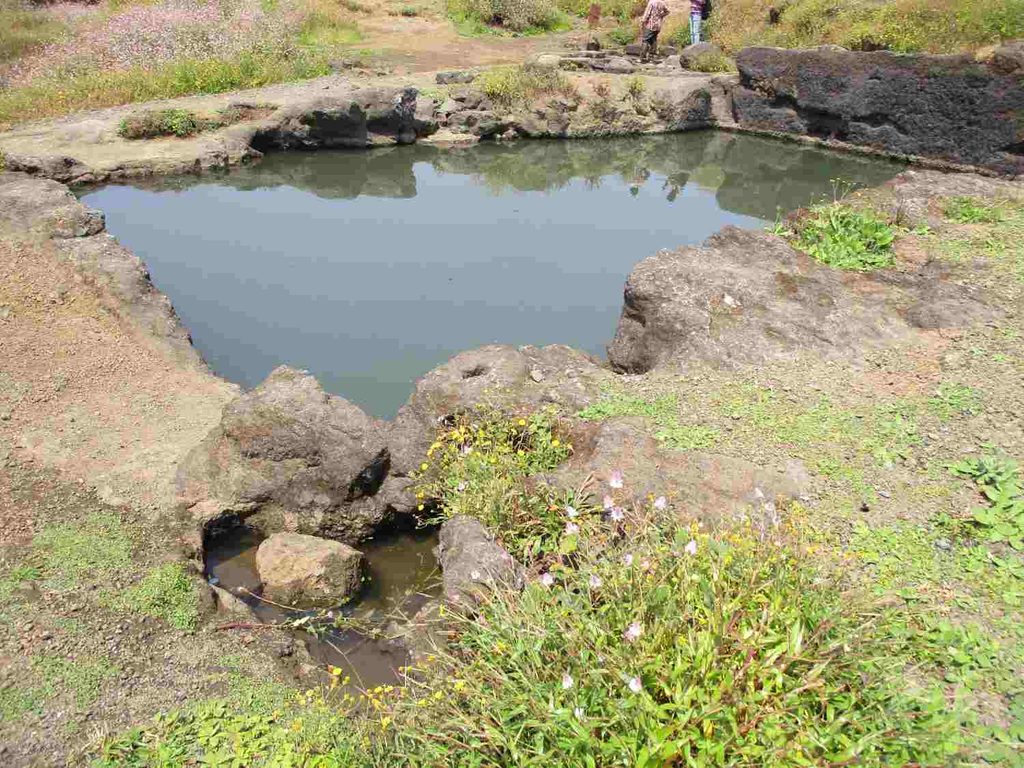
3. Historic Water Tanks and Stepwell
Lohagad has old water-storage structures associated with its military and residential use. These features demonstrate how people managed water supplies at a hilltop fort.
4. Pawna Lake and Sahyadri Viewpoints
From the higher sections of the fort, visitors can enjoy views of the surrounding valleys, hills and Pawna reservoir. The landscapes become particularly green during and after the monsoon.
These are the fort’s main attractions rather than a claim that I personally explored every structure. Visitors should allow extra time beyond the ascent if they want to see the entire fort.
Best Time to Visit Lohagad Fort Pune
Based on my experience of trekking in the Pune and Lonavala region, I would recommend visiting Lohagad Fort between late September and December.
This is when you can often enjoy the greenery left behind by the monsoon without dealing with continuous heavy rainfall.
The weather is generally more pleasant for trekking, and visibility may be better on clear days.
However, your preferred season may depend on what you want to experience.
| Season | What to expect |
| June–September | Lush greenery, clouds and rainfall; slippery paths and possible restrictions |
| October–December | Pleasant trekking weather and post-monsoon scenery |
| January–February | Cooler and generally drier conditions |
| March–May | Hotter daytime weather and comparatively dry surroundings |
Lohagad Fort in Rainy Season: Is It Worth Visiting?
Lohagad Fort in rainy season is particularly popular because the surrounding hills become beautifully green.
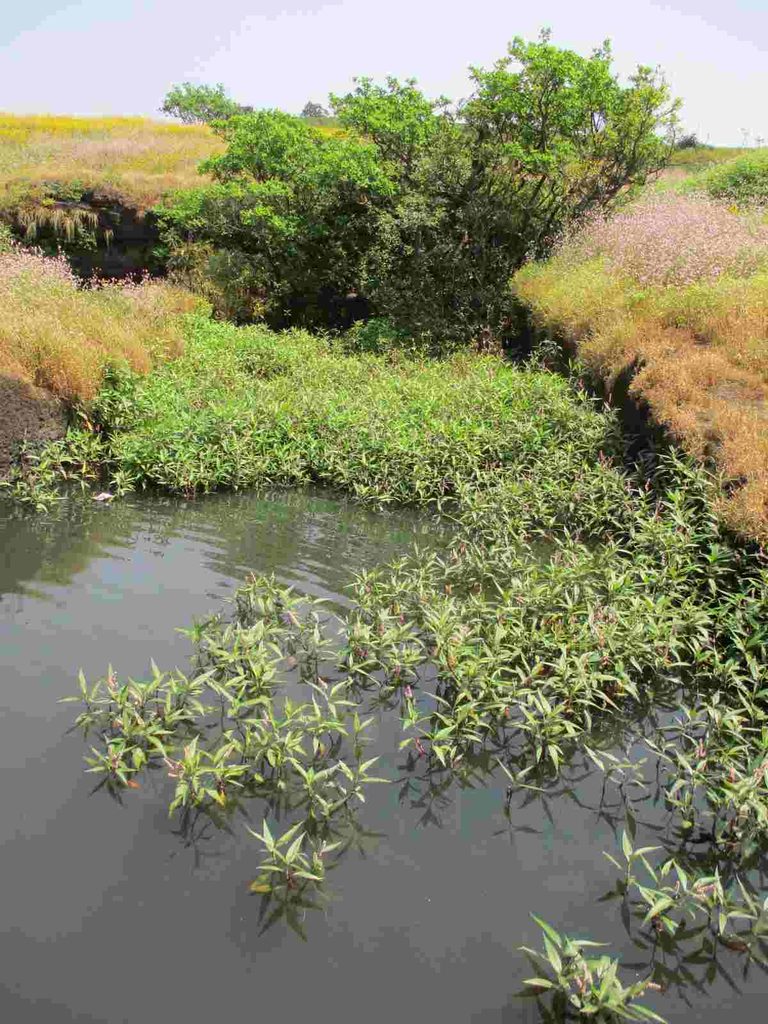
During the monsoon, clouds move across the valleys, seasonal streams appear, and the landscape takes on a different appearance.
This is one of the biggest reasons Lohagad attracts travellers from Pune and Mumbai.
However, I would recommend extra caution during heavy rainfall.
The fort has several stone stairways, and wet stone can become slippery. Fog can reduce visibility, while strong winds can make exposed viewpoints more dangerous.
Avoid standing near unprotected edges, don’t attempt difficult ridge sections in poor weather, and follow any instructions issued by local authorities.
My personal preference: I would choose late September to December for a first-time Lohagad or Visapur trek. The scenery can still be beautiful, and walking conditions are often more comfortable.
My Return Journey: Lohagad Fort to Pune
After spending plenty of time on the fort, enjoying the views and taking photographs, I finally decided to begin descending.
I was tired, but I was also happy that I had completed another solo fort trek.
The return journey was slightly different from the morning.
Walking Back to Malavli Railway Station
During my morning journey, I had taken a shared auto-rickshaw from Malavli Railway Station to the fort’s starting point.
But while returning, I decided to walk.
I didn’t take the local auto this time.
The downhill route towards Malavli was familiar because I had already travelled through the area during my previous Visapur Fort trek.
After walking for some distance, I passed near the route to Bhaje Caves.
Bhaje Caves: Another Attraction on the Same Route
Bhaje Caves, also known as Bhaja Caves, are among the important historical attractions near Lohagad and Visapur forts.
These ancient Buddhist rock-cut caves are known for their chaitya hall, stupas and historical architecture.
I had already visited Bhaje Caves during my Visapur Fort trip, so I didn’t explore them again on this journey.
If you’re planning to visit Lohagad Fort Pune and want to include another historical destination, Bhaje Caves is worth considering.
I have already shared my experience of visiting Bhaje Caves, including the budget transportation route from Pune, in my detailed Visapur Fort Trek and Bhaje Caves travel guide.
Reaching Malavli Station and Waiting for the Train
After approximately one hour of walking, I reached Malavli Railway Station.
I purchased my return train ticket to Pune.
Malavli to Pune local train: ₹15
However, my return train was delayed.
Since I had already completed the trek and walked back towards the station, I was getting hungry.
I decided to buy something to eat while waiting.
And what better option than vada pav?
I purchased two vada pavs for ₹40.
Simple food, a railway station, and a completed trek. Sometimes these ordinary moments become part of your favourite travel memories.
Finally Boarding the 4:10 PM Train
After waiting for the delayed train, it finally arrived at approximately 4:10 PM.
I boarded the train towards Pune Railway Station and managed to get a seat.
By this time, I was completely exhausted.
I had woken up at 4 AM, travelled by train and auto, completed a fort trek, walked back to the railway station, and spent most of the day travelling.
I was so sleepy that I closed my eyes almost immediately.
Before I realised it, I had reached Pune Railway Station.
Pune Railway Station to Wagholi by PMPML Bus
After arriving at Pune Railway Station, I still had to travel back to my hostel.
I took a PMPML bus towards Wagholi.
Unfortunately, the bus was crowded, and I couldn’t find a seat.
So, after spending the entire day trekking, I had to stand in the bus for approximately two hours.
That was probably one of the most tiring parts of the whole journey.
After reaching Wagholi Bus Stand, I took a local shared auto-rickshaw towards BJS Pata.
Wagholi to BJS Pata shared auto: ₹20
Finally, at around 7:30 PM, I reached my hostel.
Ending the Day With a Peaceful Dinner
After reaching the hostel, the first thing I did was freshen up.
Luckily, our hostel mess had just started serving dinner.
And that day, I was probably the first person to enter the mess because I was extremely hungry.
After eating peacefully, I returned to my room.
Like usual, I spent a little time scrolling Instagram reels and uploading some photographs from my Lohagad Fort trek.
Then I went to sleep early.
Another Sunday was over.
Another fort was completed.
And another memory was added to my travel journey.
But this particular trip also left me thinking about something that I understood much later in life.
What My Lohagad Fort Trek Taught Me About Travelling?
When I was staying in Pune during my education, I never realised how many beautiful places were located nearby.
There were forts, waterfalls, caves, mountains and trekking destinations, but I didn’t explore many of them at that time.
Like most people, I was busy with studies and everyday life.
Later, when my family shifted to Telangana and I moved from Pune to Hyderabad for a job opportunity, I started thinking differently.
Now, whenever I remember Pune, I feel that I missed so many opportunities to explore Maharashtra while I was living there.
Back then, the places were nearby, but I didn’t make enough time to visit them.
Today, I may have more interest in travelling, but reaching those same destinations requires much more planning because the distance is greater.
That is why I want to share one thing from my personal experience.
If you’re living in a city surrounded by beautiful destinations, try to explore them whenever you get the chance.
You never know where life will take you next.
One day, the places that were just a short train ride away might become destinations hundreds of kilometres from your home.
I definitely want to visit Pune again.
And whenever that happens, I want to explore more forts across Maharashtra and collect the memories that I missed during my earlier days.
For me, Lohagad Fort was not just another trek.
It became another reminder to explore the places around us while we have the opportunity.
How to Reach Lohagad Fort Pune: Complete Travel Guide?
Lohagad Fort is accessible from Pune, Mumbai and Lonavala. The nearest convenient railway station for budget travellers is Malavli.
Pune to Lohagad Fort by Train
This is the route I personally followed.
- Pune Railway Station: Board a Pune–Lonavala local train that stops at Malavli.
- Malavli Railway Station: Exit the station and proceed towards the Lohagad side.
- Shared Auto: Look for an auto heading towards Lohagadwadi or the fort’s starting point.
- Lohagadwadi: Start the final ascent on the historic stone-step route.
A full day is generally needed if you are travelling from Pune by public transport, trekking, exploring the fort and returning the same evening.
Pune to Lohagad Fort by Bike or Car
Travellers using their own vehicles can generally follow the route:
Pune → Pimpri-Chinchwad → Talegaon → Malavli → Lohagadwadi
The distance is approximately 60–65 km by road from central Pune, although your starting location and chosen route will affect the total.
Allow around 1.5–2.5 hours for the road journey in ordinary conditions. Weekends, traffic and monsoon restrictions can extend travel time.
Two-wheelers and cars should use permitted local roads rather than the Mumbai–Pune Expressway, where two-wheelers are prohibited.
Lohagad Fort Distance From Major Cities
The following distances are approximate road distances to the Lohagadwadi/fort approach area, not the walking distance to the summit.
| Starting location | Approx. distance | Travel time |
| Pune | 60–65 km | 1.5–2.5 hrs |
| Mumbai | 100–115 km | 2.5–4 hrs |
| Nashik | 235–245 km | 4.5–6 hrs |
| Lonavala | 15–20 km | 30–45 min |
| Khandala | 20–25 km | 40–60 min |
| Malavli Railway Station | 5–6 km | 20–30 min by vehicle |
| Talegaon Dabhade | 30–35 km | 50–75 min |
| Pimpri-Chinchwad | 45–55 km | 1–1.5 hrs |
My Lohagad Fort Trek Budget Breakdown
One of the biggest reasons I enjoy travelling to forts near Pune is that you don’t need a huge budget.
I used local trains, shared autos, and public transportation to keep my expenses low.
Here is the actual breakdown from my trip.
| Expense | Amount |
| Hostel to Pune Station (Ola) | ₹270 |
| Pune to Malavli train | ₹15 |
| Morning tea | ₹10 |
| Malavli to Lohagad shared auto | ₹30 |
| Water bottle | ₹20 |
| Malavli to Pune return train | ₹15 |
| Two vada pavs | ₹40 |
| Wagholi to BJS Pata shared auto | ₹20 |
| Recorded total | ₹420 |
MY DOCUMENTED TRIP EXPENSES
₹420
Excluding the PMPML bus fare, which I did not record. Current entry fees, if applicable, are also excluded.
The ₹420 figure is based on the fares I personally remembered from my visit, not a current fixed price for completing the trek.
If you are starting directly from Pune Railway Station, your costs could be lower because you may not need a cab from your hostel.
Lohagad Fort Entry Fee and Timings
During my visit, I did not have to purchase an entry ticket for Lohagad Fort.
However, this is an area where travellers should pay particular attention to updated information.
As of my October 2026 research, the Archaeological Survey of India-associated ticket listing on District shows tickets starting at ₹20, meaning visitors should not assume entry is still free.
For visiting hours, plan your trip during daylight. Some travel guides list approximately 9:00 AM to 6:00 PM, but I could not independently confirm those as a universally applicable, currently enforced schedule. Entry hours and access restrictions may vary.
Check the Lohagad Fort ticket listing and local instructions before travelling, especially during the monsoon.
Nearby Places to Visit Around Lohagad Fort
You can also explore several attractions around Lonavala if you have additional time.
Visapur Fort
The neighbouring fort is popular for its impressive monsoon scenery and trekking routes. I visited Visapur one week before Lohagad. Fit trekkers sometimes combine both, but beginners may prefer separate days.
Bhaja Caves
These ancient Buddhist caves are close to the Malavli approach route and feature historic rock-cut architecture. I had visited them on my previous Visapur trip.
Pawna Lake
A popular reservoir surrounded by hills and scenic viewpoints. It is especially attractive to travellers exploring the Lonavala region by road.
Karla Caves
An important Buddhist cave complex near Lonavala known for its historic prayer hall and rock-cut architecture.
Lonavala
A convenient nearby base for travellers who want accommodation, restaurants and access to multiple forts and viewpoints.
These nearby destinations are also highlighted in Maharashtra Tourism’s Lohagad visitor guide.
Important Tips Before Visiting Lohagad Fort
If you’re planning your first Lohagad Fort trek, here are a few things I would suggest based on my experience and research.
- Start early: An early start gives you enough time for the trek, sightseeing and return journey.
- Use shared transport: If available, a shared auto from Malavli can save both money and energy.
- Carry drinking water: Purchase water before starting and don’t depend entirely on shops along the route.
- Wear proper trekking shoes: Avoid footwear with slippery soles, especially during monsoon.
- Take frequent breaks: Beginners don’t need to rush. I completed my climb in approximately two hours while resting regularly.
- Check weather and access updates: Fort visits may be restricted during dangerous weather.
- Plan your return train: Check the Pune–Lonavala train schedule in advance. My return train was delayed, so keeping some extra time is useful.
Final Thoughts: Was My Lohagad Fort Trek Worth It?
For me, Lohagad Fort Pune was absolutely worth visiting.
It was not an expensive trip, and I didn’t need a complicated travel plan. I used local trains, shared autos and public buses to complete another memorable solo adventure.
What I liked most was that I could enjoy a beautiful trekking destination while learning more about the history of Maharashtra.
The views from the fort were amazing, but what stayed with me even more was the realisation that we should explore the places around us whenever we get the opportunity.
Looking back, I wish I had explored more forts when I was studying in Pune.
But I also know that I will return to Maharashtra someday and continue exploring the destinations I missed.
Until then, Lohagad Fort will remain another beautiful memory that I captured through my eyes and camera.
If you’re planning your first fort trek near Pune, I would definitely recommend adding Lohagad Fort to your travel wishlist.
And if you want to explore another fort along the same route, don’t forget to read my Visapur Fort Trek Travel Guide.
Keep exploring, keep travelling, and keep collecting memories.
Frequently Asked Questions
What is the Pune to Lohagad Fort distance?
The Pune to Lohagad Fort distance is approximately 60–65 km by road, depending on your starting location and route. The journey generally takes around 1.5–2.5 hours by car or bike, excluding the trek itself.
How can I reach Lohagad Fort from Pune by train?
Take a Pune–Lonavala local train that stops at Malavli Railway Station. From Malavli, travel approximately 5–6 km to the fort’s approach area by local auto, taxi or on foot. Then begin the final ascent to Lohagad Fort.
Is Lohagad Fort trek suitable for beginners?
Yes, Lohagad Fort is generally considered suitable for beginners with reasonable fitness. The main approach includes stone steps, and the trek can be completed with regular breaks. However, heavy rainfall and slippery conditions can increase the difficulty considerably.
How much time does the Lohagad Fort trek take?
Allow approximately 1–2 hours for the ascent from Lohagadwadi, depending on your fitness and the starting point. During my visit, I took approximately two hours because I stopped frequently to rest. Allow additional time to explore the fort and descend.
Which railway station is closest to Lohagad Fort?
Malavli Railway Station is the nearest convenient station for a budget trek. It lies on the Pune–Lonavala railway route, approximately 5–6 km from the Lohagadwadi approach area.

Solo traveller, biker, and explorer sharing honest travel guides, hidden places, and unforgettable road trips across India.
1 thought on “Lohagad Fort Pune: My Solo Trek, History & Budget Guide”